Fabled St Kilda
St Kilda is an isolated archipelago situated 64 kilometres west-northwest of North Uist, in the North Atlantic Ocean. It contains the westernmost islands of the Outer Hebrides of Scotland. The largest island is Hirta, whose sea cliffs are the highest in the United Kingdom.
St Kilda Quick Facts
What to expect on Hirta, St Kilda
- Island Location
- 35 nautical miles (65 kilometres) west-northwest of North Uist
- How to get there
- Private yacht and boat operator from Leverburgh
- Highlights
- Remote, dramatic, stunning geology wildlife and history
- Reasons to Visit
- Chance of a lifetime visit that will leave an impact on visitors
- Island Type
- Ministry of Defence and seasonal NTS wardens
- Highest Point
- Conachair, 430 m (1,410 ft
- Area
- 3+1⁄4 sq mi (8.5 km2)
- Interesting facts
- Double World Heritage UNESCO site
Where is St Kilda
Island Experience
A Working Visit to St Kilda: Life on the Edge of the Atlantic
A Journey Years in the Making
Some journeys feel significant long before you arrive. St Kilda was one of those places for me. After years of sailing past its distant outline, always just out of reach, I finally had the opportunity to step ashore in 2018—not as a tourist, but as part of my role with the National Trust for Scotland. It was, technically, just another work trip. In reality, it felt like something far more meaningful.
At the Edge of the Atlantic
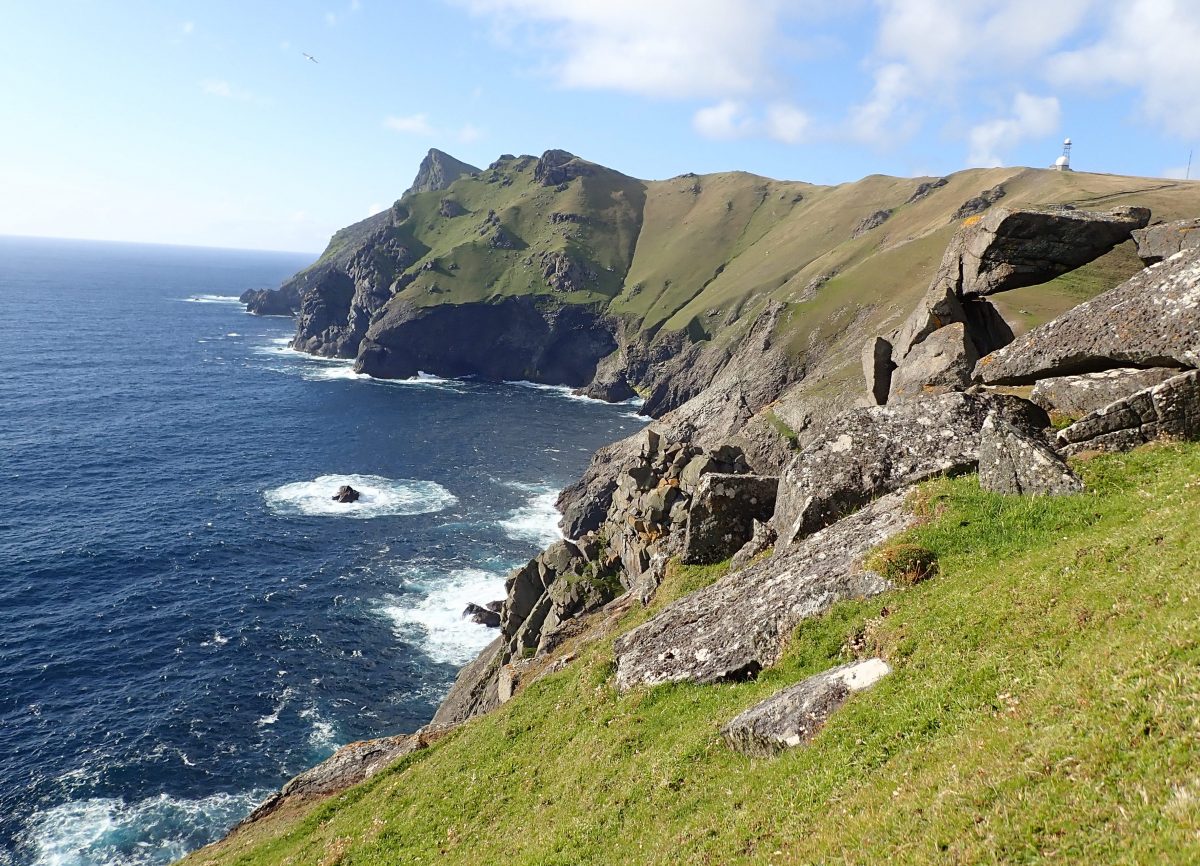
St Kilda lies some 40 miles west of North Uist, exposed to the full force of the North Atlantic. Its main island, Hirta, rises steeply from the sea, framed by towering cliffs and surrounded by outliers such as Boreray and Soay.
It is one of the very few places in the UK to hold dual UNESCO World Heritage status, sharing that rare distinction only with Stonehenge. That recognition reflects both its extraordinary natural environment and the deep, often haunting human history etched into its landscape.
St Kilda is a double UNESCO world heritage site. There are only two sites in the UK with such designation, the other is Stone Henge . as a consequence St Kilda is a true wonder and of global importance and one we must protect and care for.
The Crossing from Leverburgh
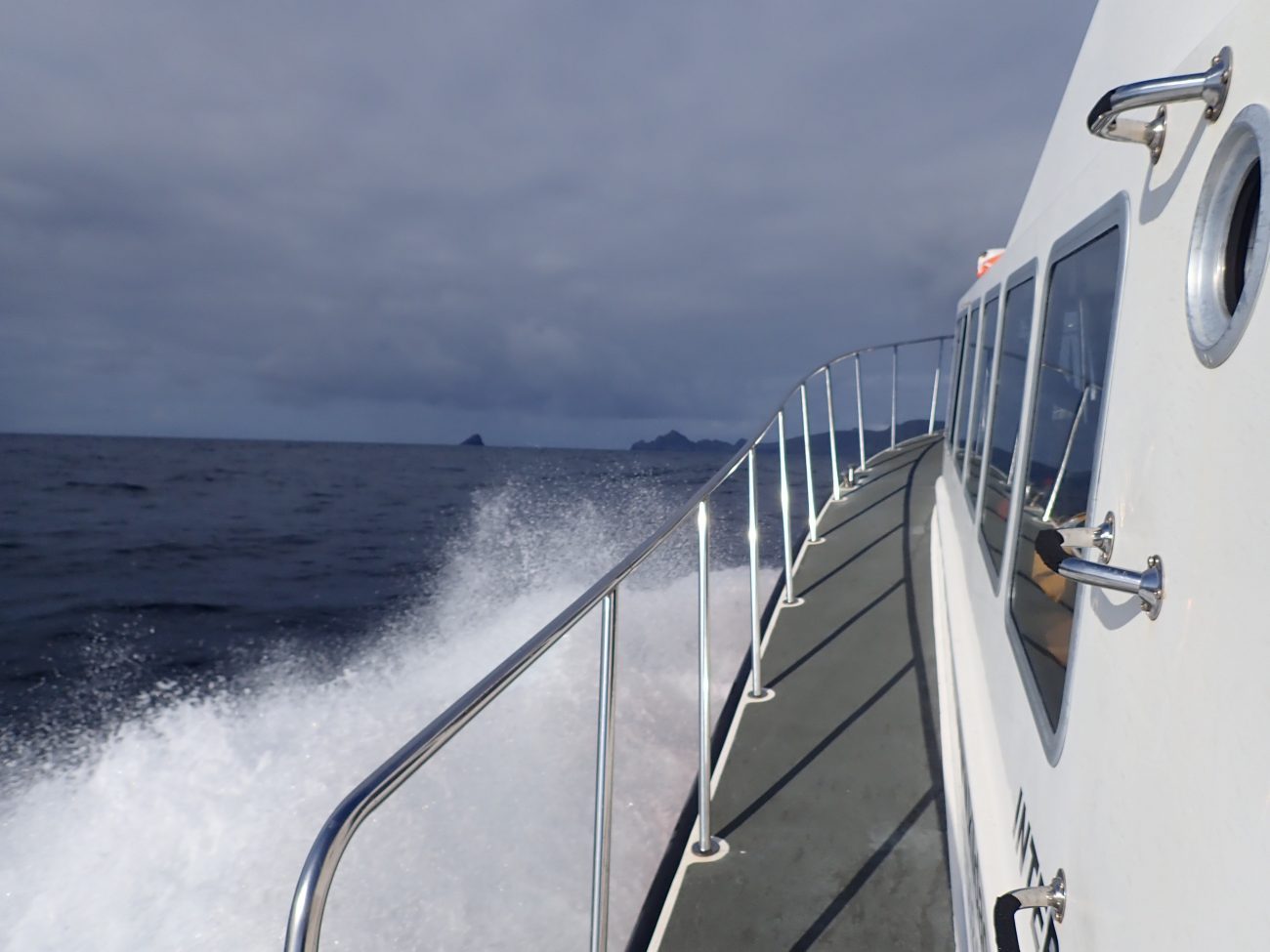
The journey began in Leverburgh, and like most crossings to St Kilda, it was far from gentle. The boat drove hard into a rising Atlantic swell, and before long the motion became relentless. Seasickness is almost a rite of passage on this route, and I was no exception.
Then, through the grey, the islands appeared.
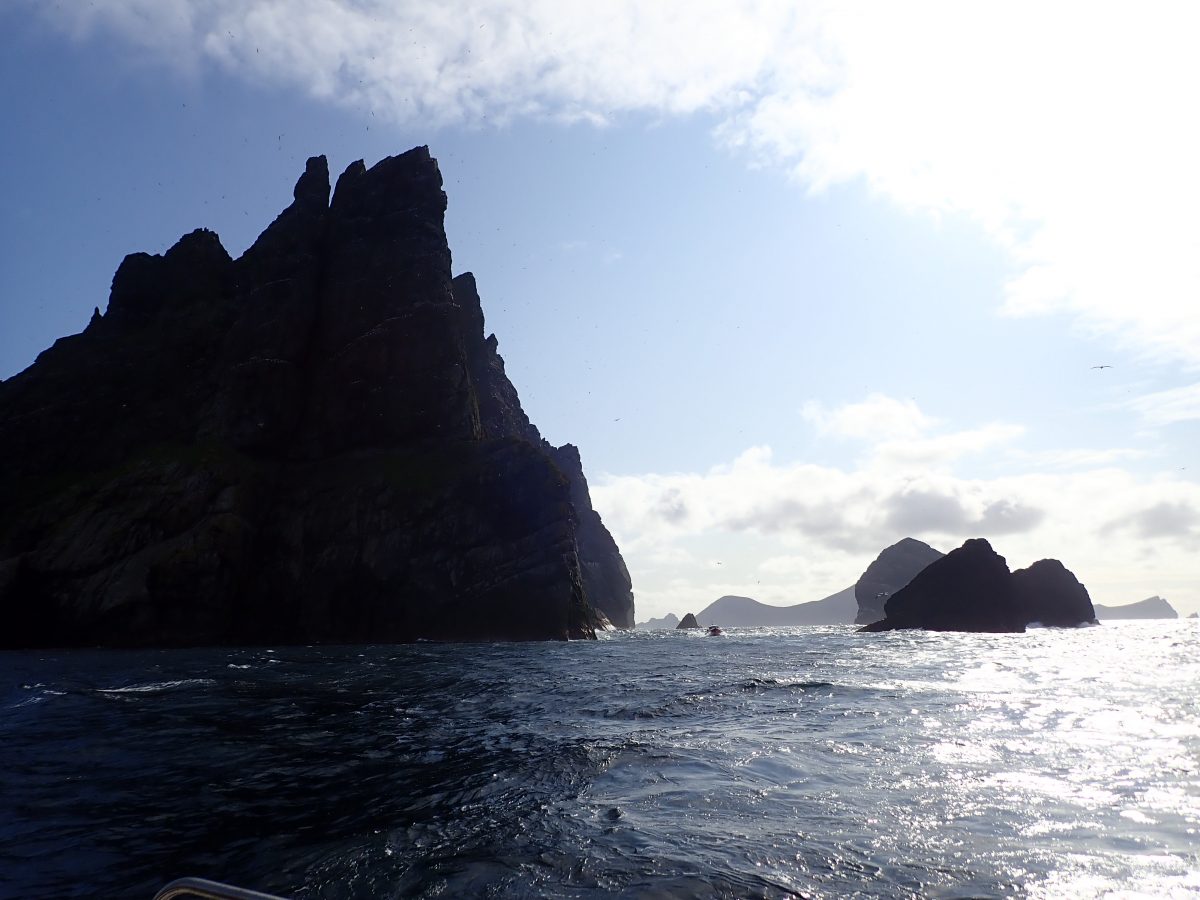
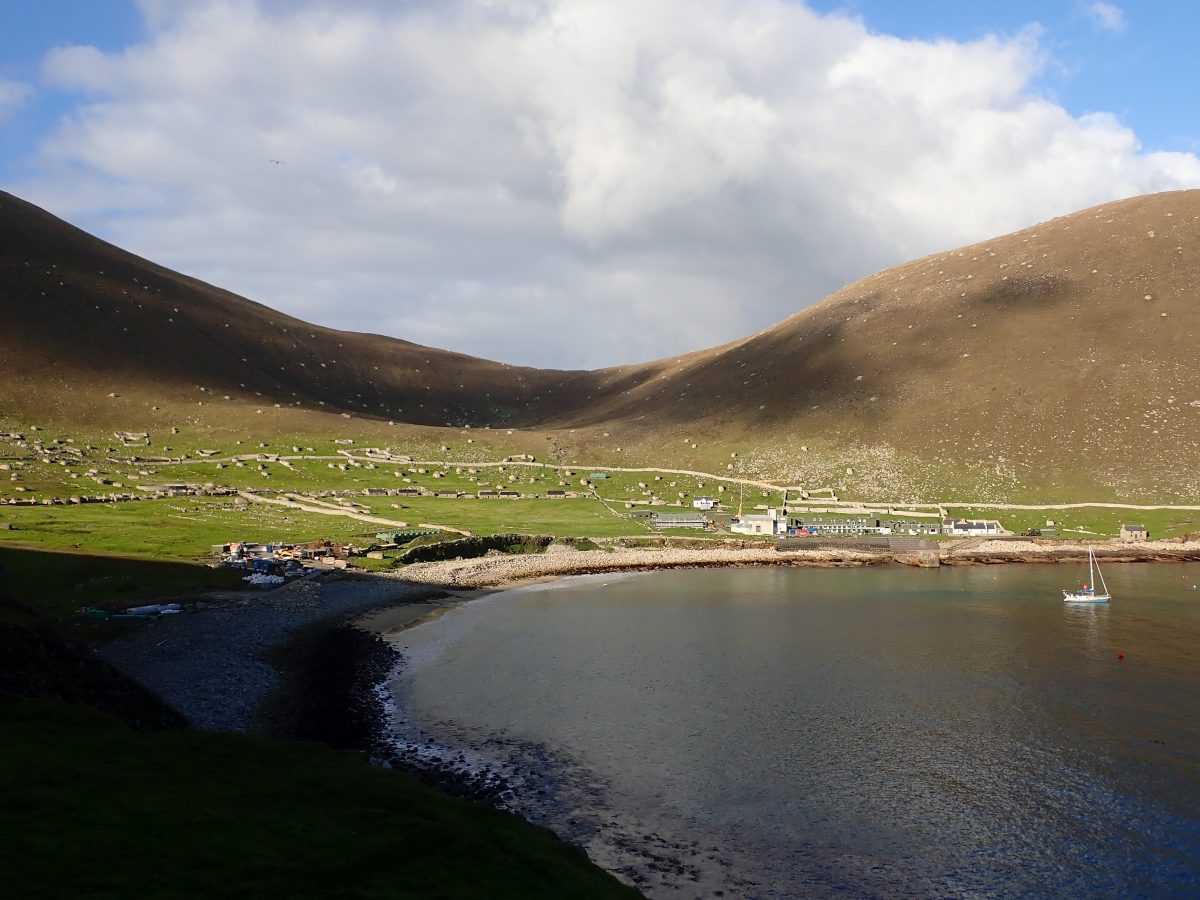
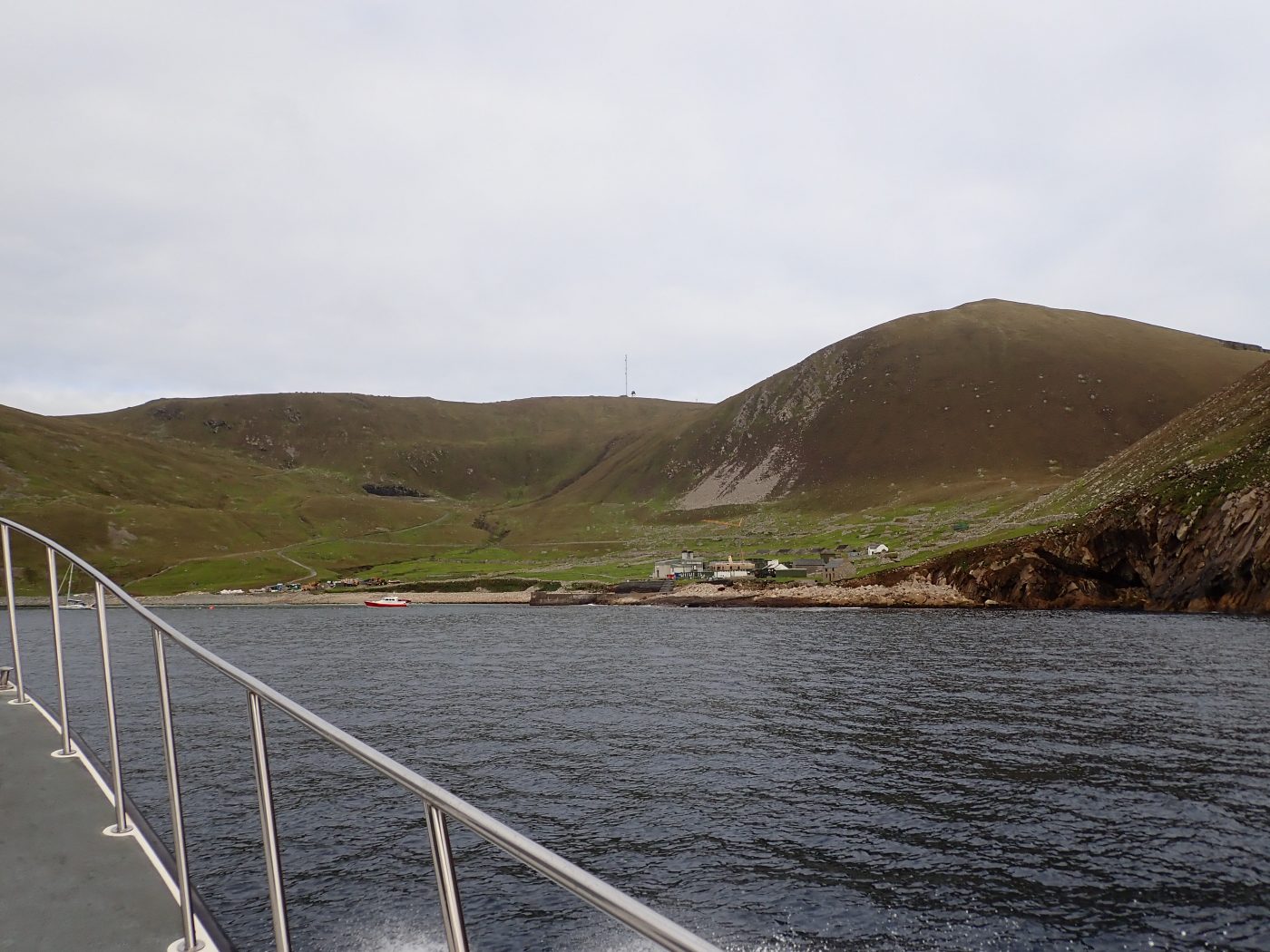
At first, just a faint shadow on the horizon. Slowly, the outline sharpened into jagged cliffs and dramatic stacks. By the time we reached Village Bay, the discomfort had given way entirely to awe. The scale and drama of the place is something you feel as much as see.

Stepping Ashore on Hirta
There is a weight to stepping ashore on Hirta. It’s not just another landing—it feels like arriving somewhere deeply significant.
We were met by the resident team, rangers and an archaeologist who spend months living and working in this remote outpost. Life here is shaped by weather, routine, and the constant demands of conservation. The isolation is undeniable, but it is also what makes the experience so powerful.
Wildlife and the Rhythm of the Island
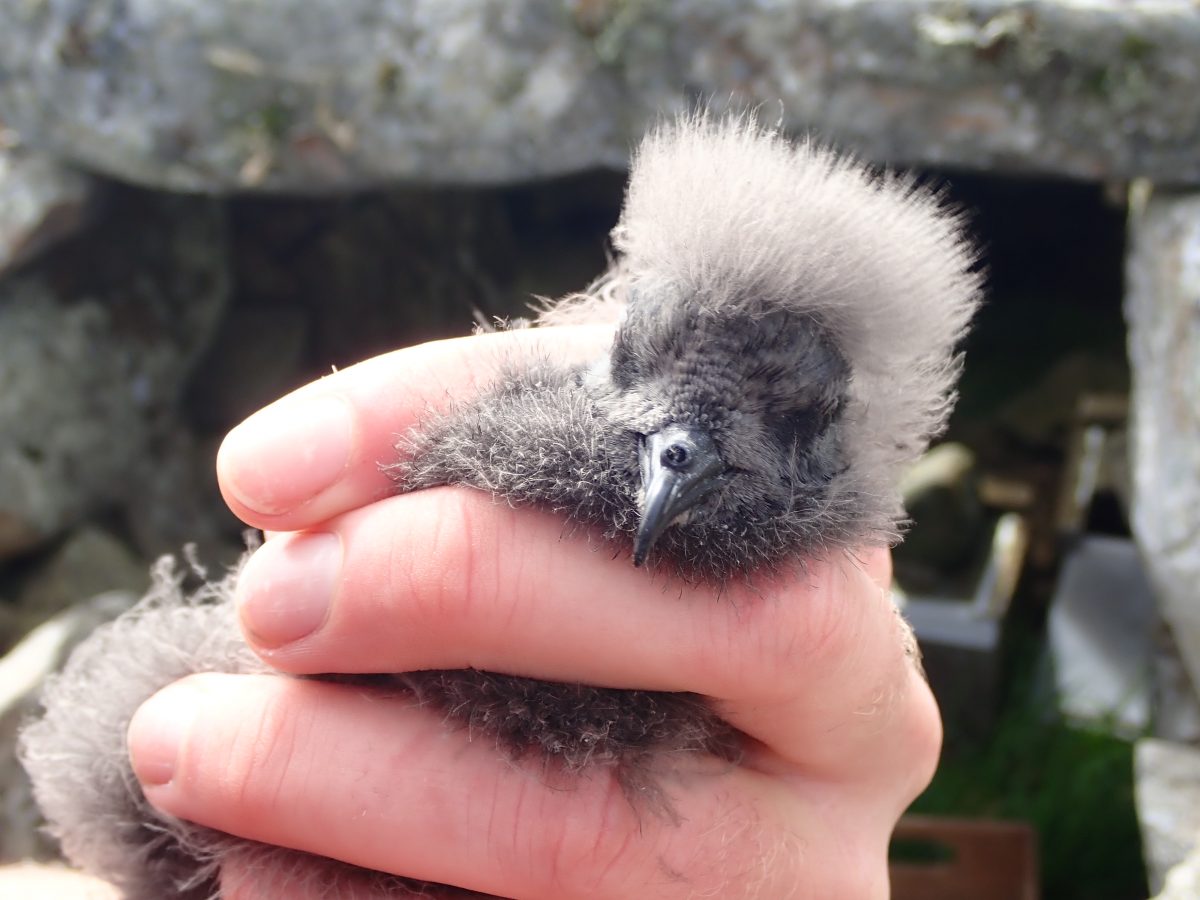
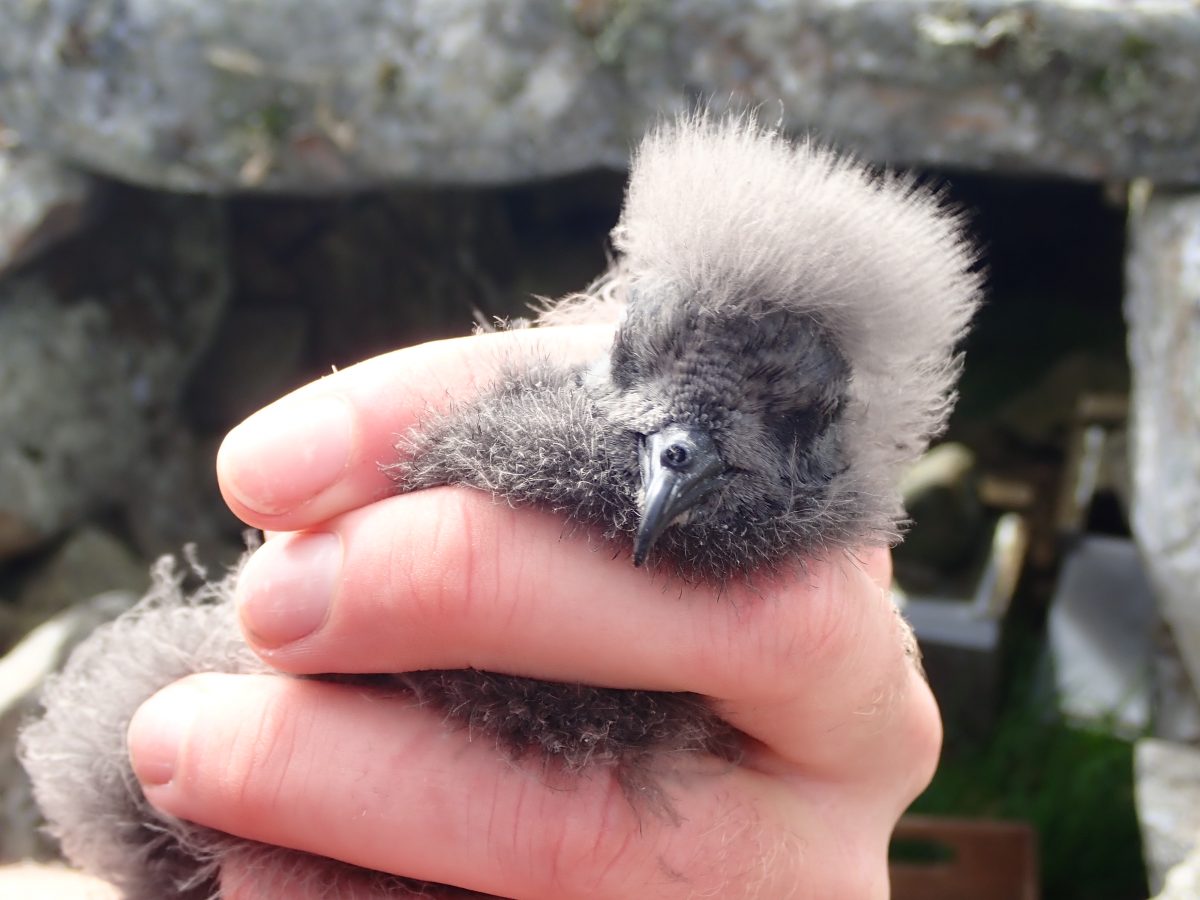
Much of my time was spent working with the island’s wildlife, particularly monitoring the elusive Leach’s Petrel. These small seabirds spend almost their entire lives at sea, returning to land only to breed.
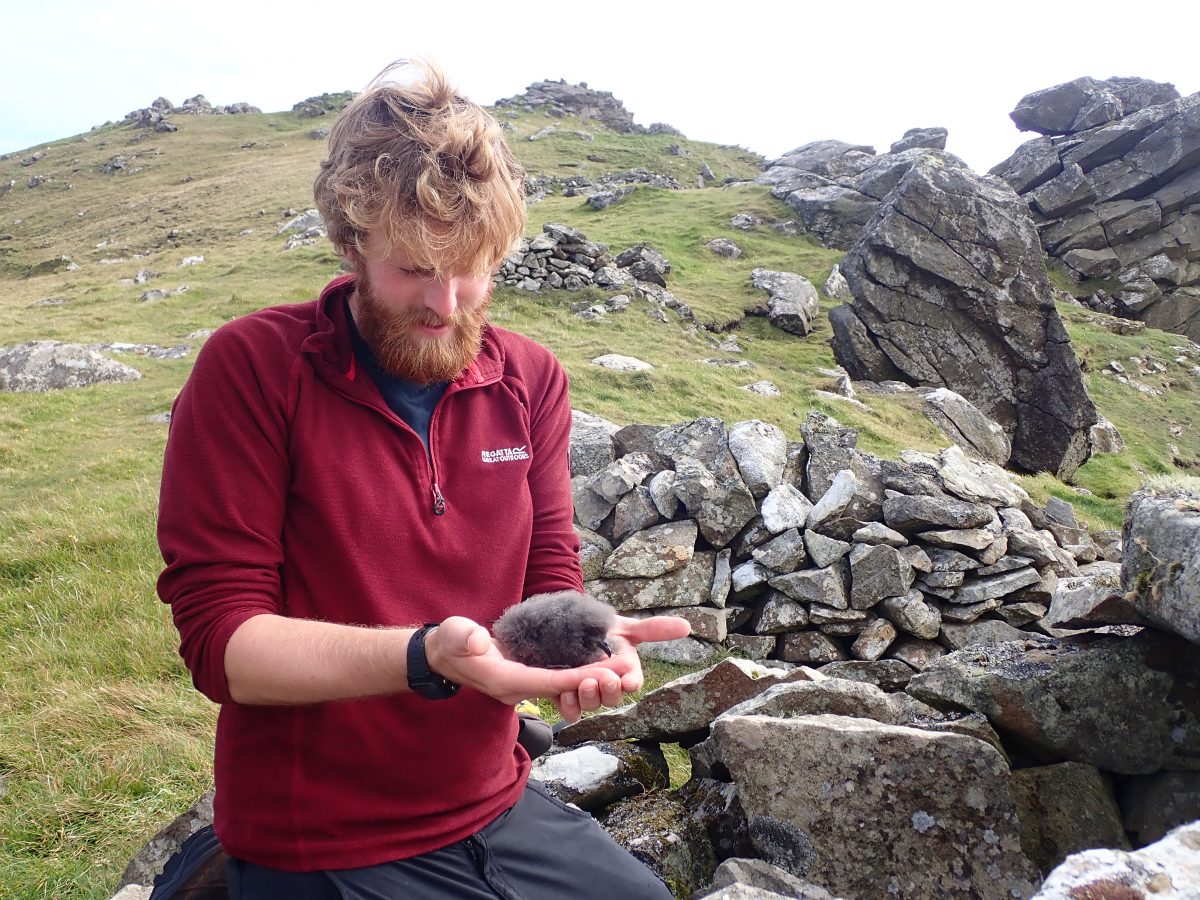
Watching the daily routine of monitoring them was quietly fascinating. Carefully designed nesting boxes allowed access without disturbance, and each day involved weighing and measuring chicks, tracking their growth. The speed at which they developed was remarkable, a reminder of how intense life is in such a remote and exposed environment.
Growing fast!
Each day Ciaran monitored the chicks, carefully measuring, weighing and recording the data. Their weight gain was, on some days, quite staggering with records of 20% increase over a 24-hour period! The adults spend the day out at sea feeding and return to the nests at night to feed the young. It was a fascinating watching the dedication of Ciaran to his task with a wonderful empathy for the wildlife he handled each day.
The Cleits: Echoes of a Lost Community
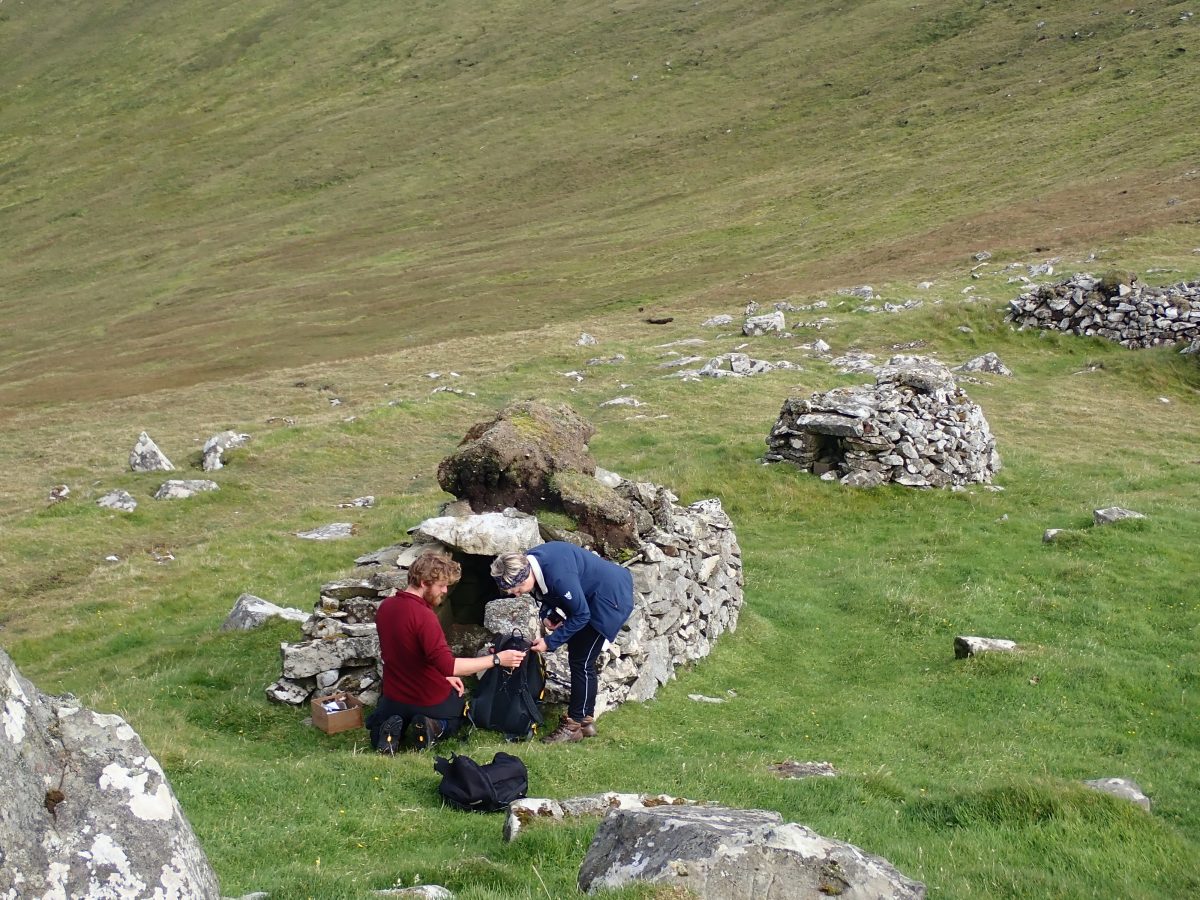
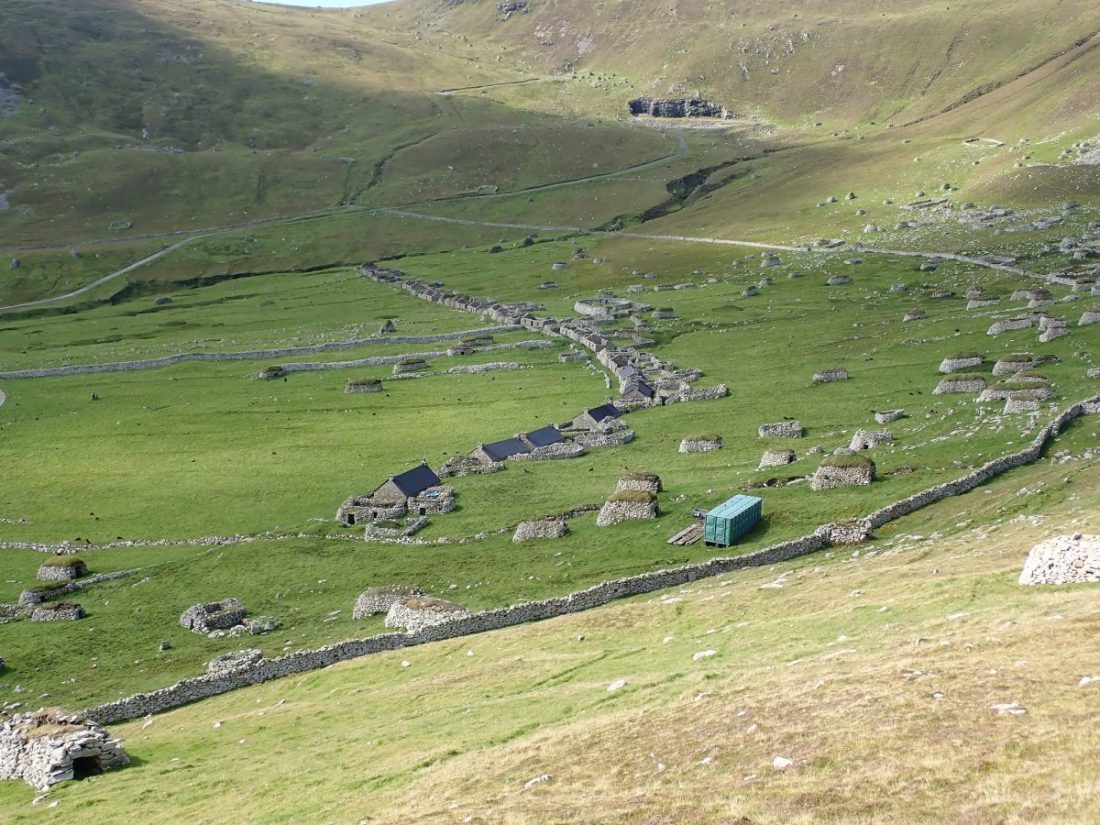
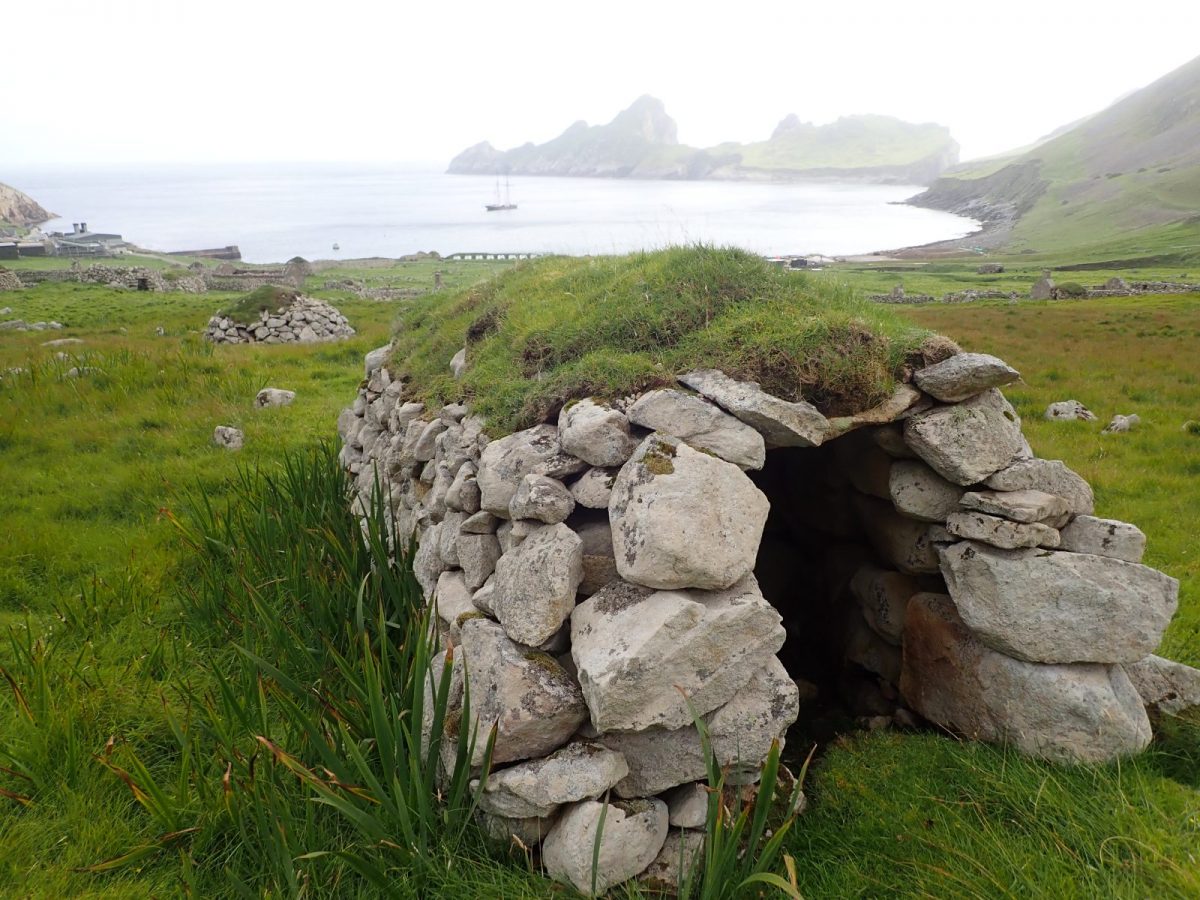
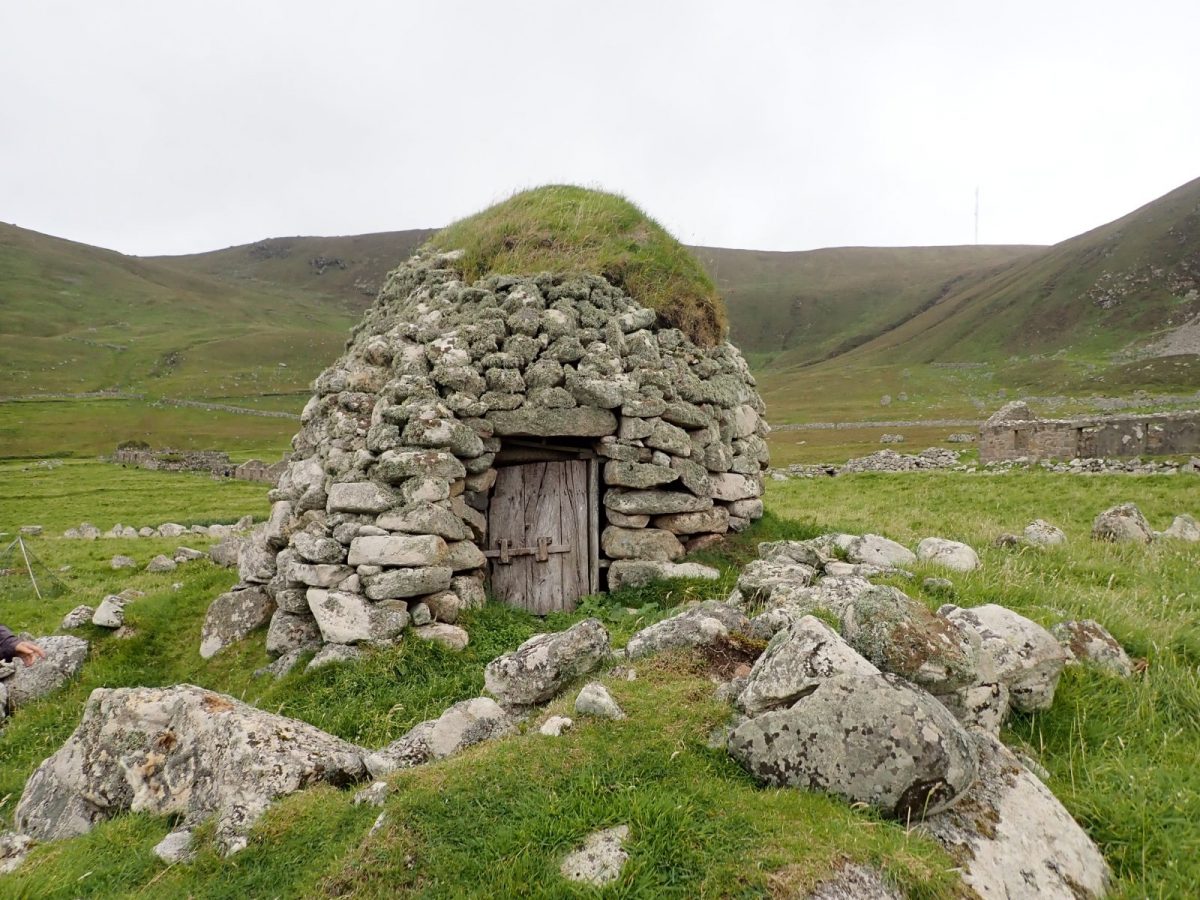
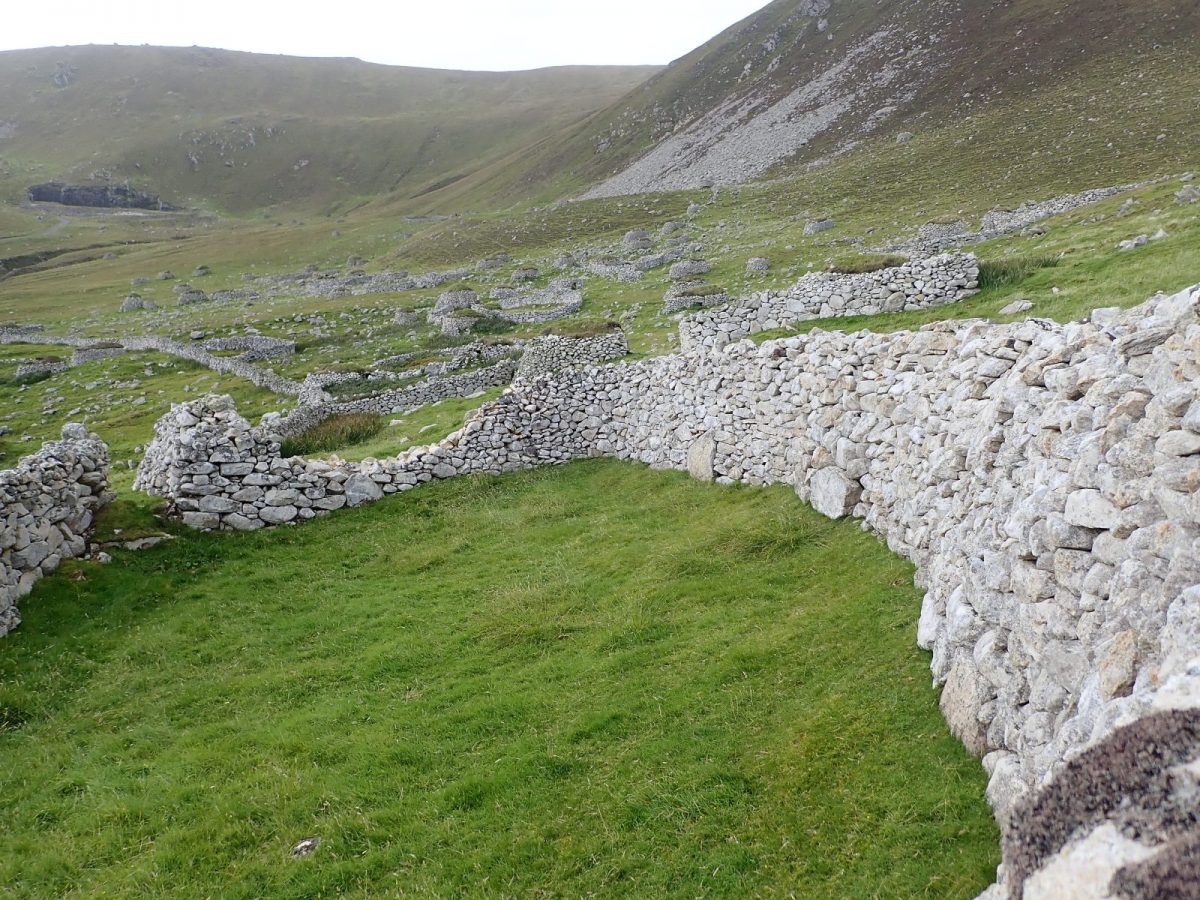
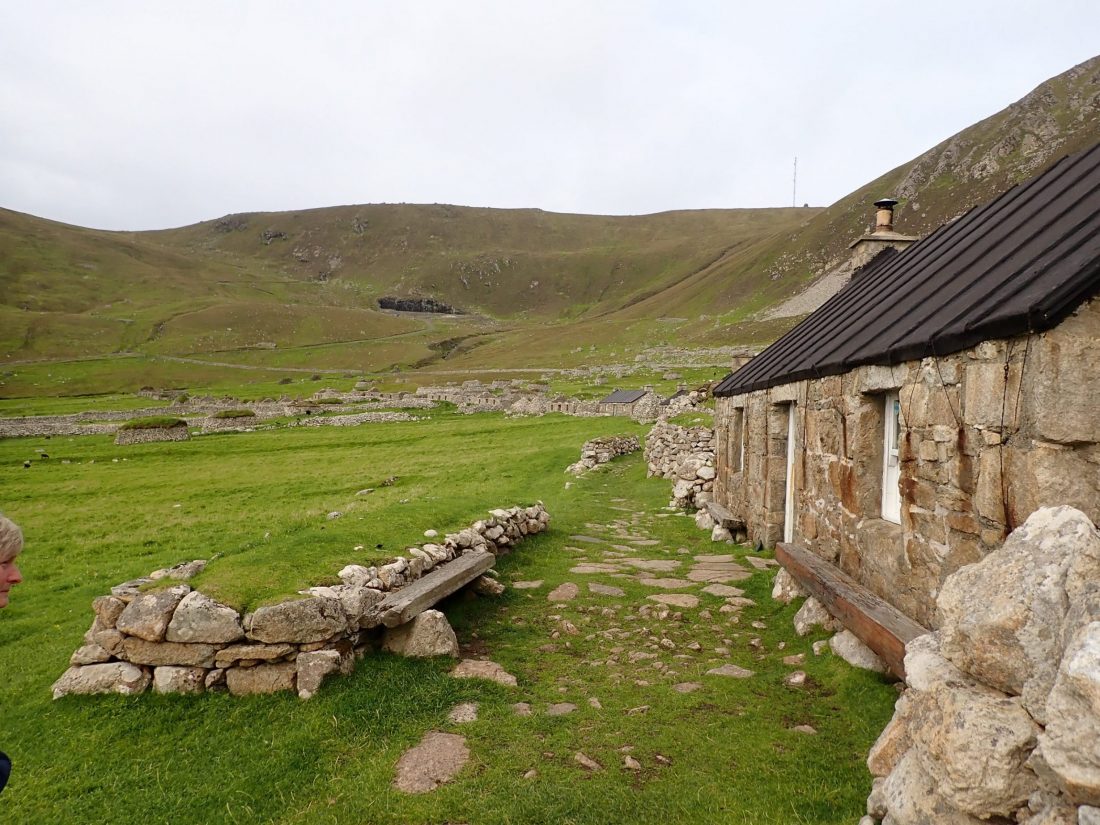
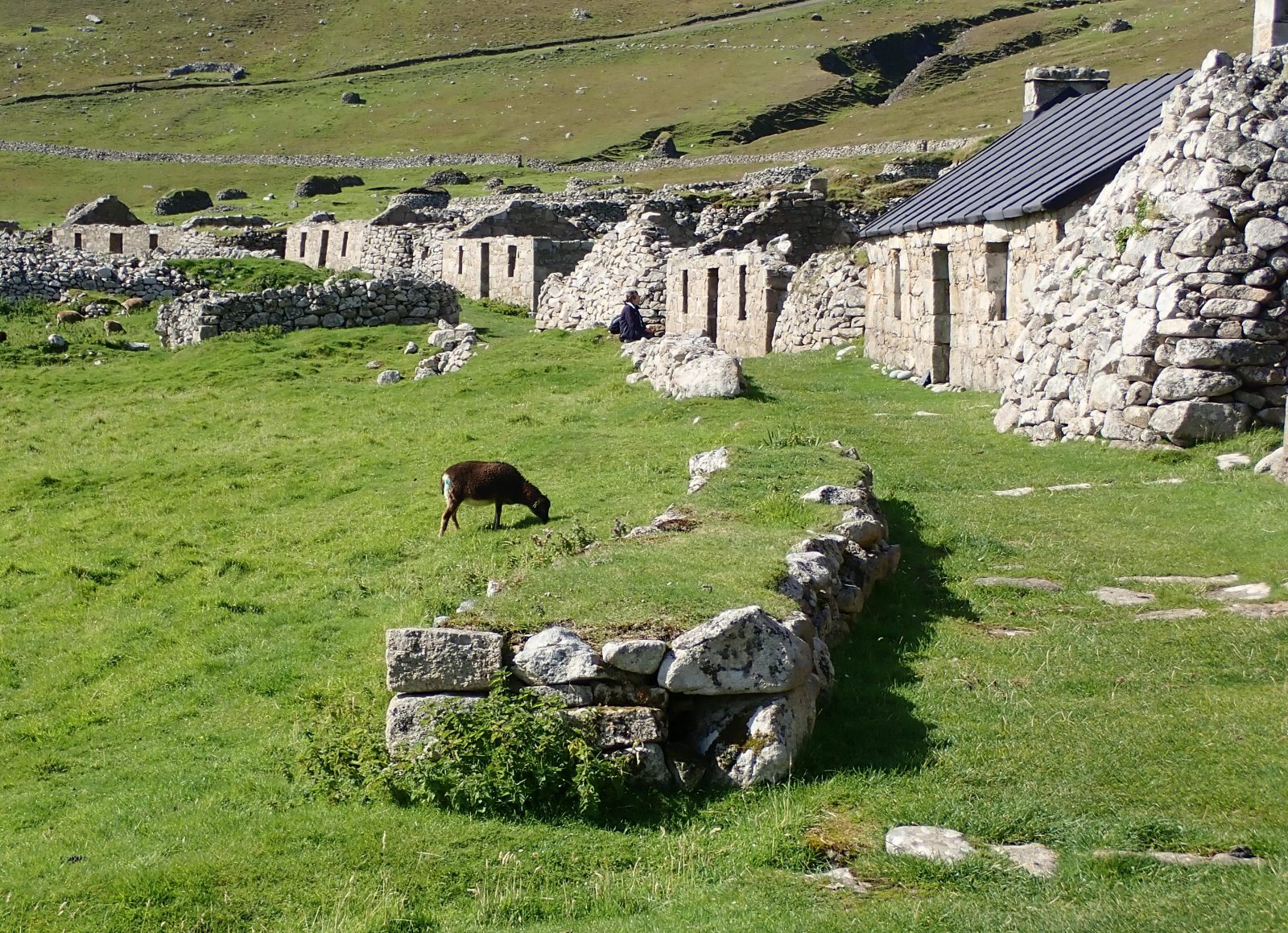
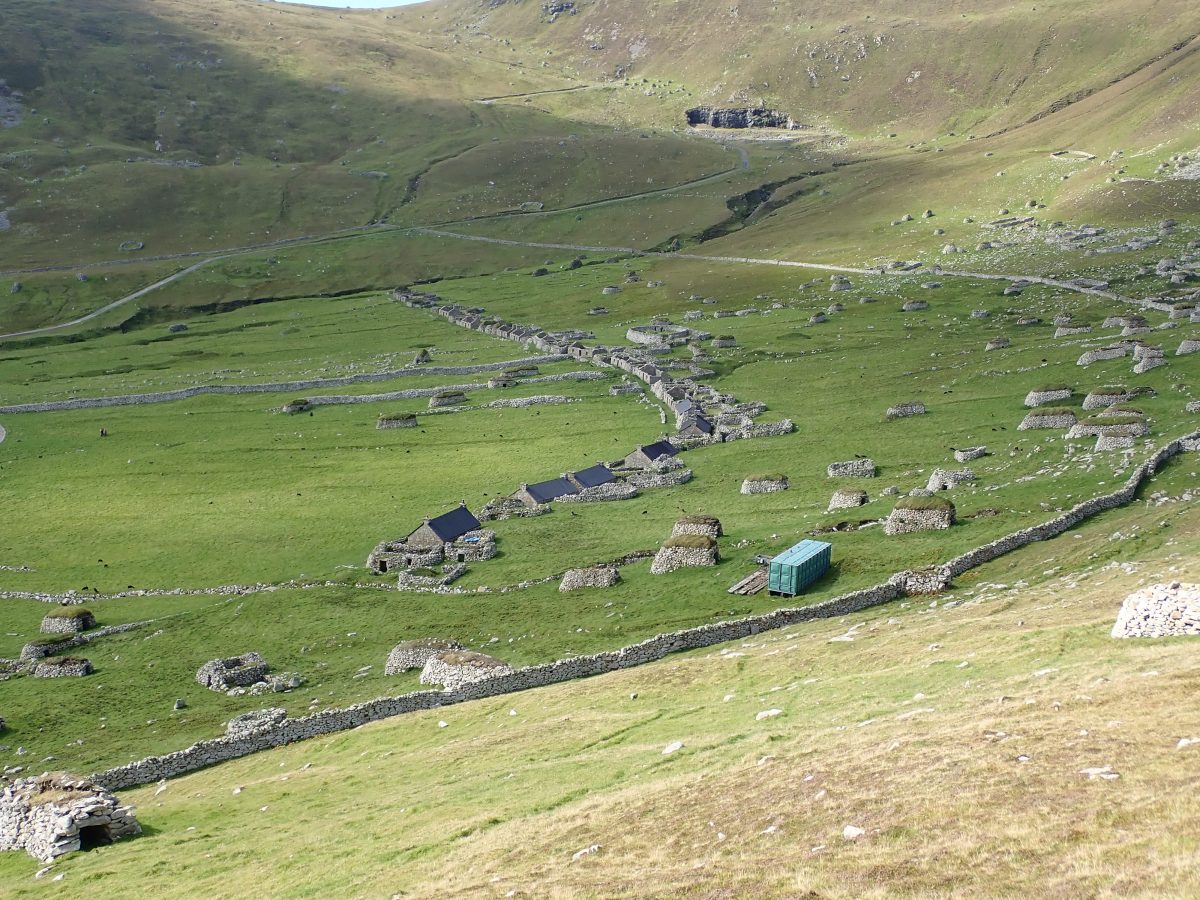
Beyond the wildlife, it is the human story that truly defines St Kilda. Scattered across Hirta are thousands of cleits—small, dry-stone structures that once formed the backbone of island life.
Walking among them, you begin to grasp the scale of effort required to survive here. These structures were used to store food, dry seabirds, and provide shelter, each one carefully built and positioned. Before visiting, I hadn’t appreciated just how many there were, nor how individual they felt. Each cleit seems to carry the mark of its builder, a quiet signature left behind.
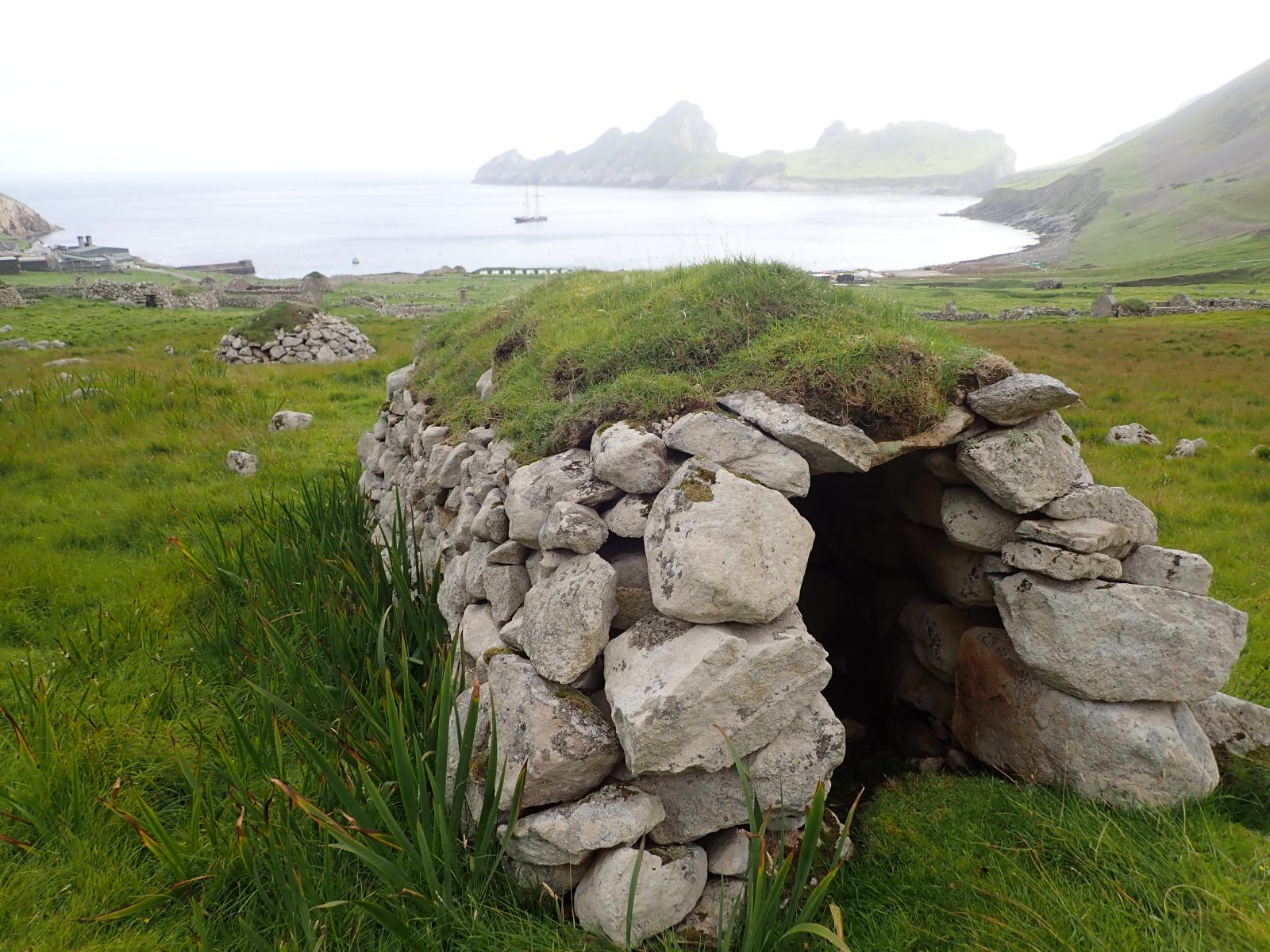
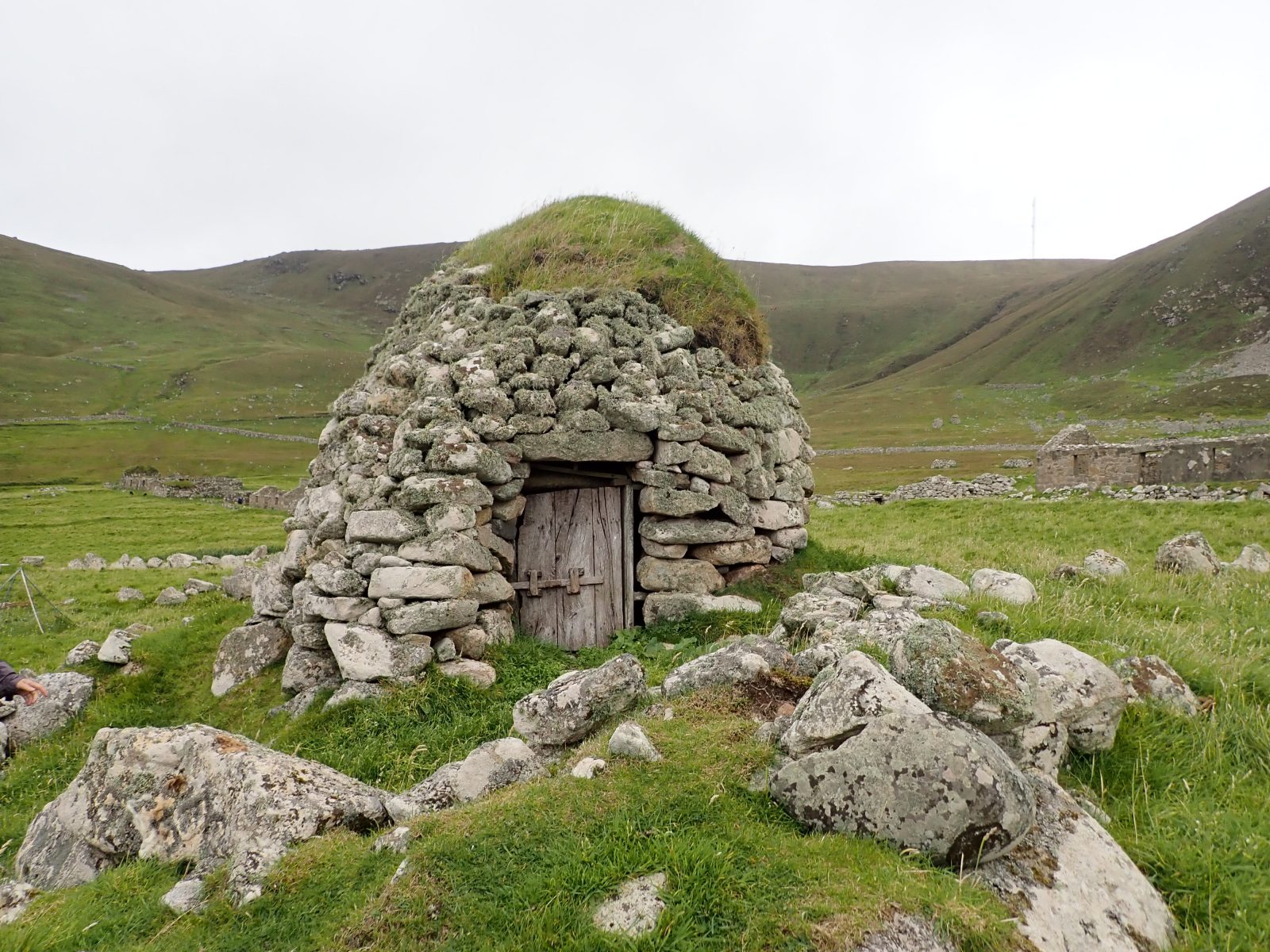
St Kildan built
The St Kildan style of building is quite distinctive. Craig who surveys and monitors their status, shapes and natural decline can identify the works of individuals who laboured in the past. Each build is slightly different by style and structure. Craig saw each build as a variant or style as a dialect of the language that is St Kildan built heritage. Cleits were used to store food and provide shelter for sheep and people. Each carefully registered and numbered by NTS with a core 300 within the Cleits protection plan.
A Modern Presence in an Ancient Landscape
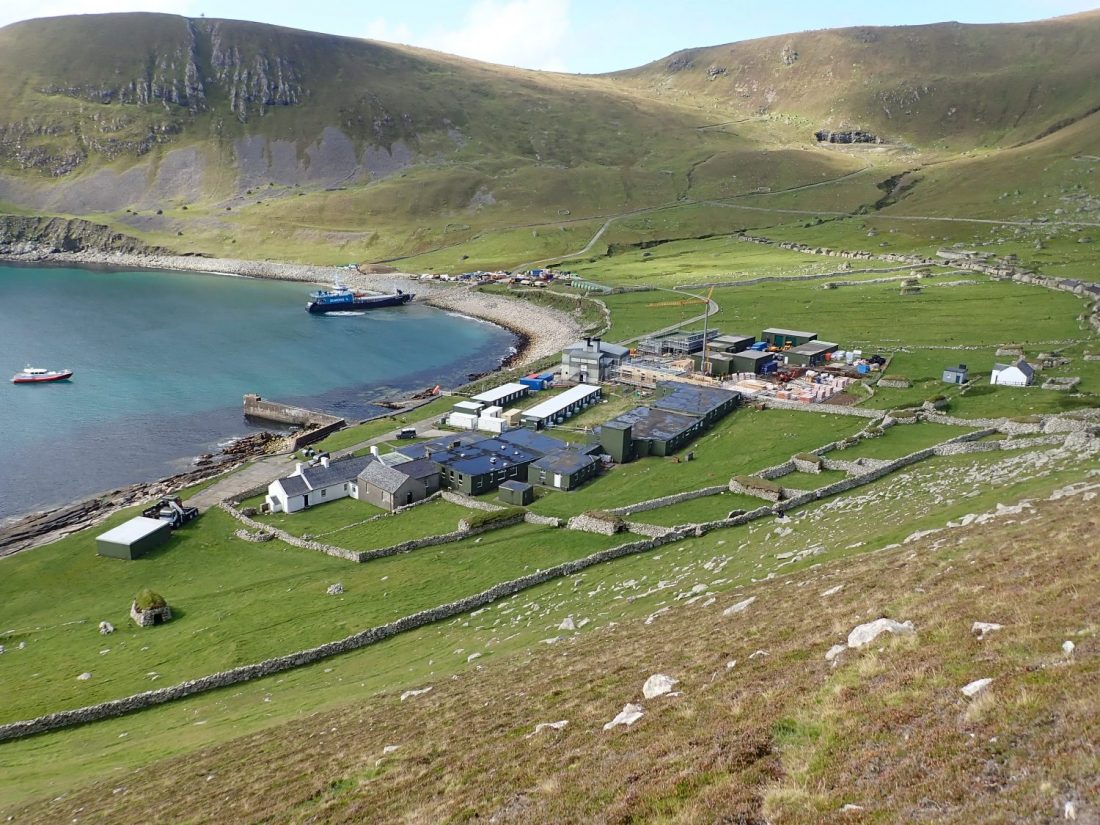
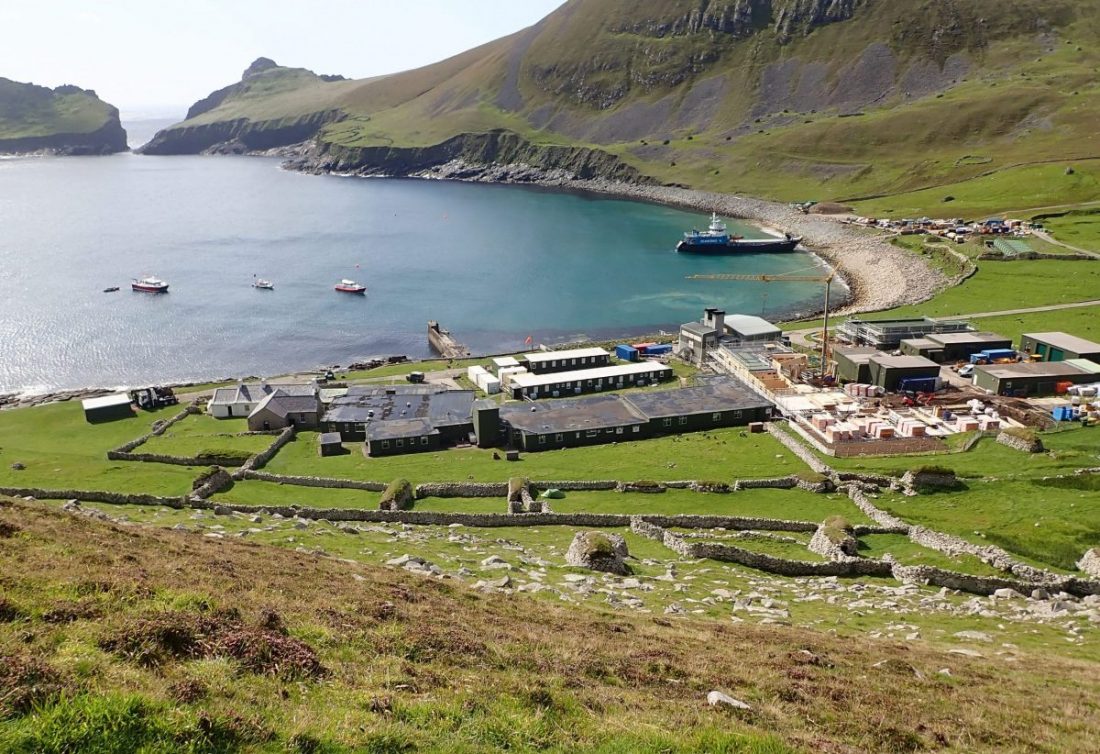
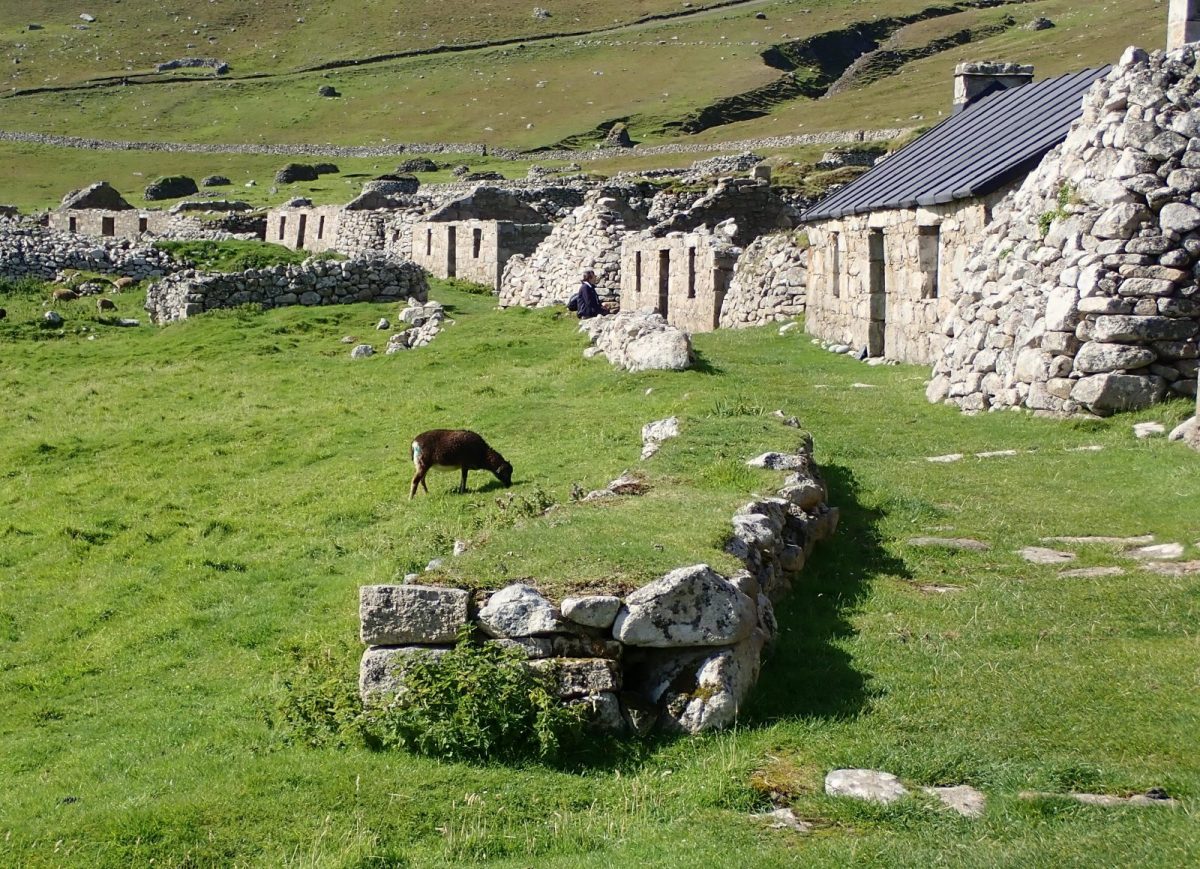
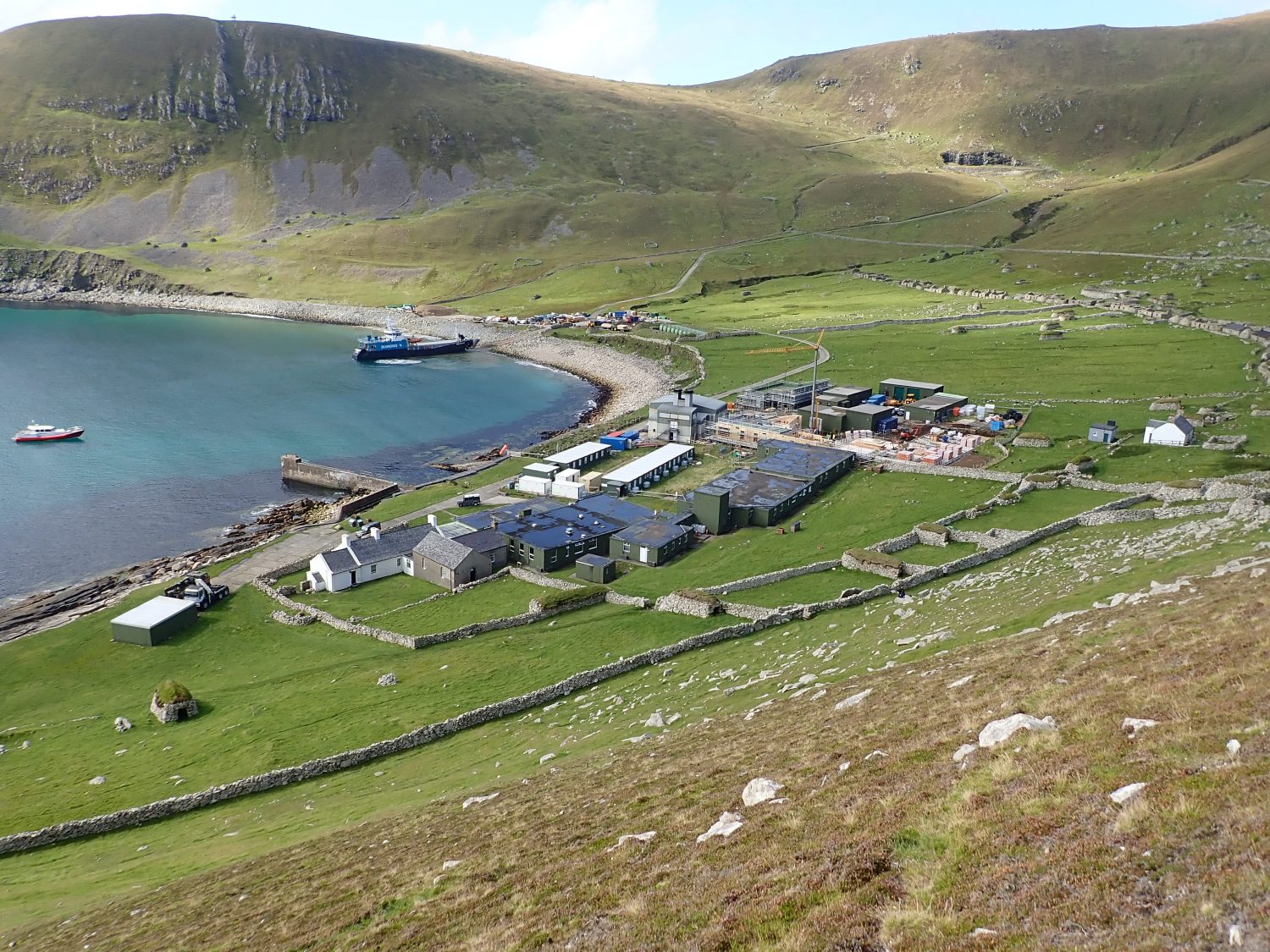
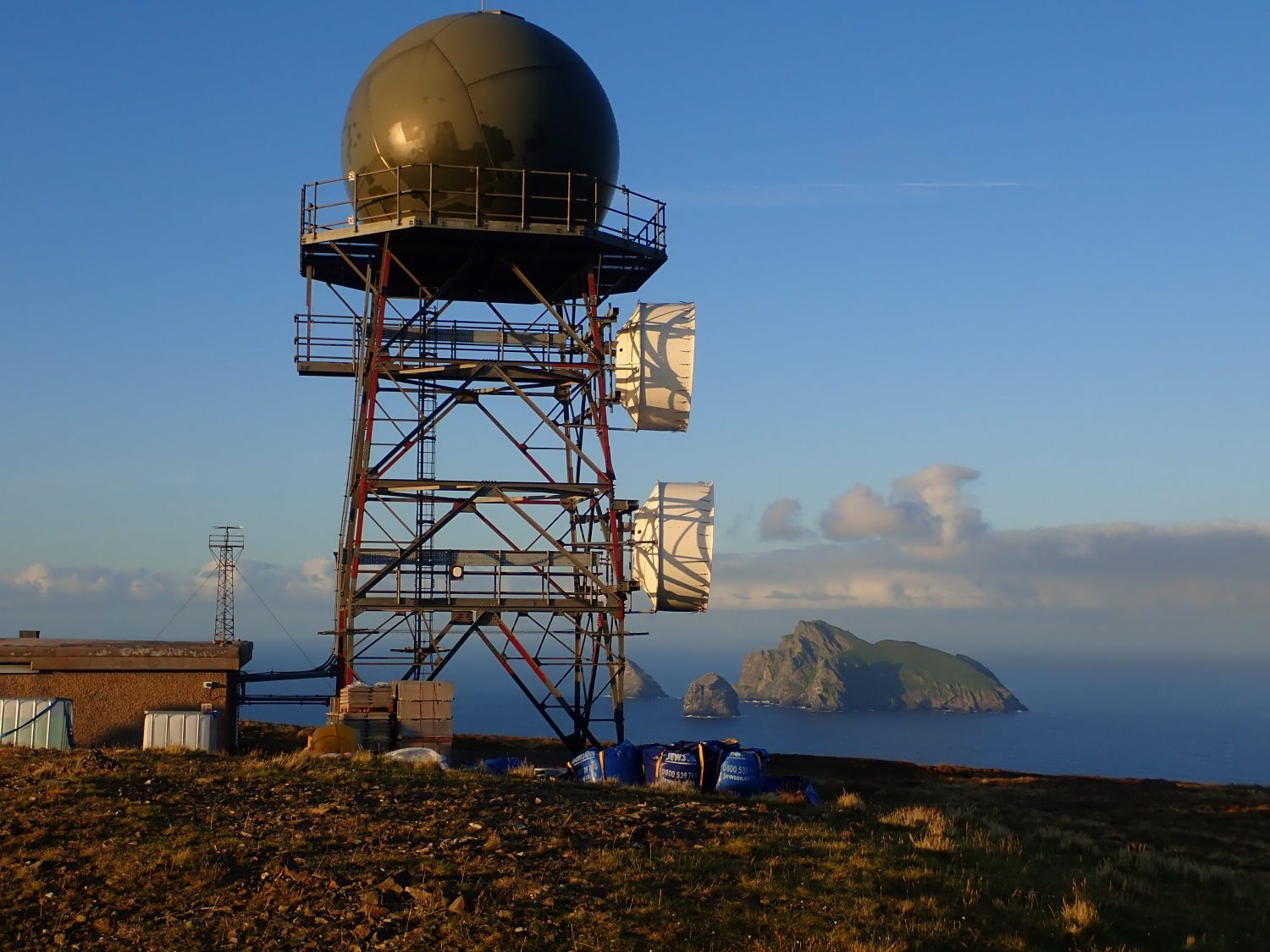
Despite its remoteness, St Kilda is not entirely frozen in time. The Ministry of Defence maintains a presence on Hirta, a legacy of Cold War monitoring that continues today.
It’s a subtle but striking contrast—modern infrastructure sitting alongside centuries-old ruins, both part of the island’s ongoing story.
Climbing Conachair
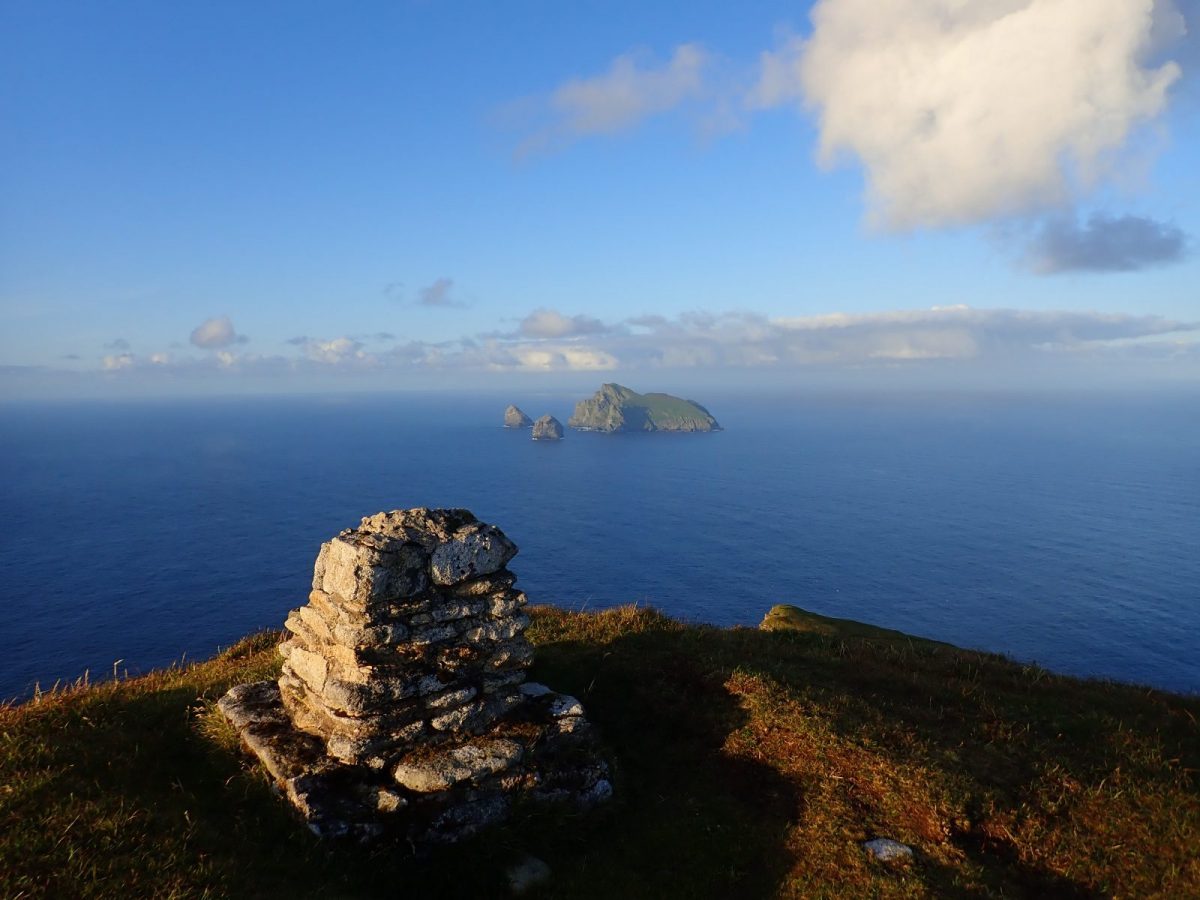
One evening, as the light softened, I set out towards Conachair. The climb was steep and direct, rising quickly above the village and towards the cliffs.
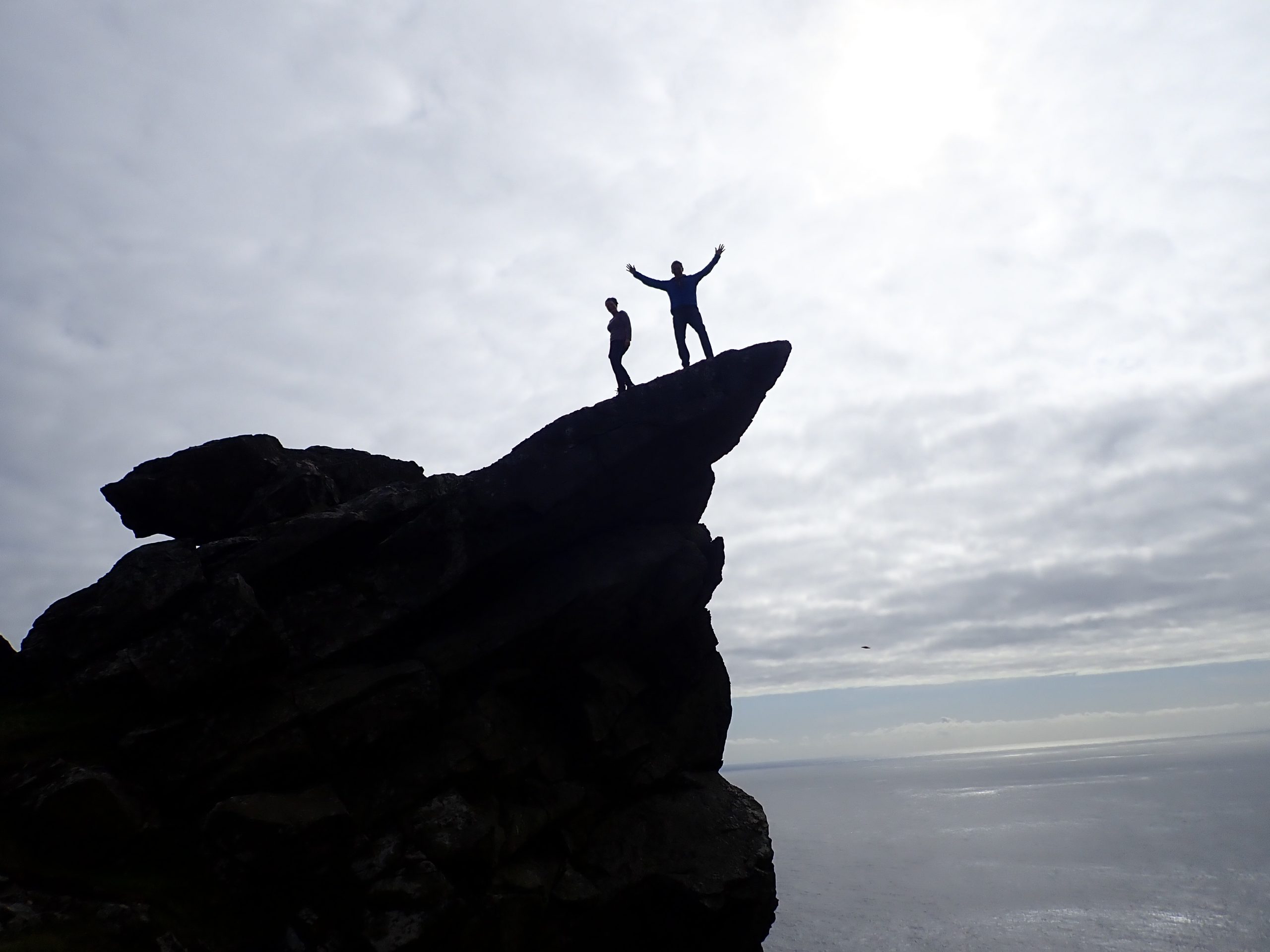
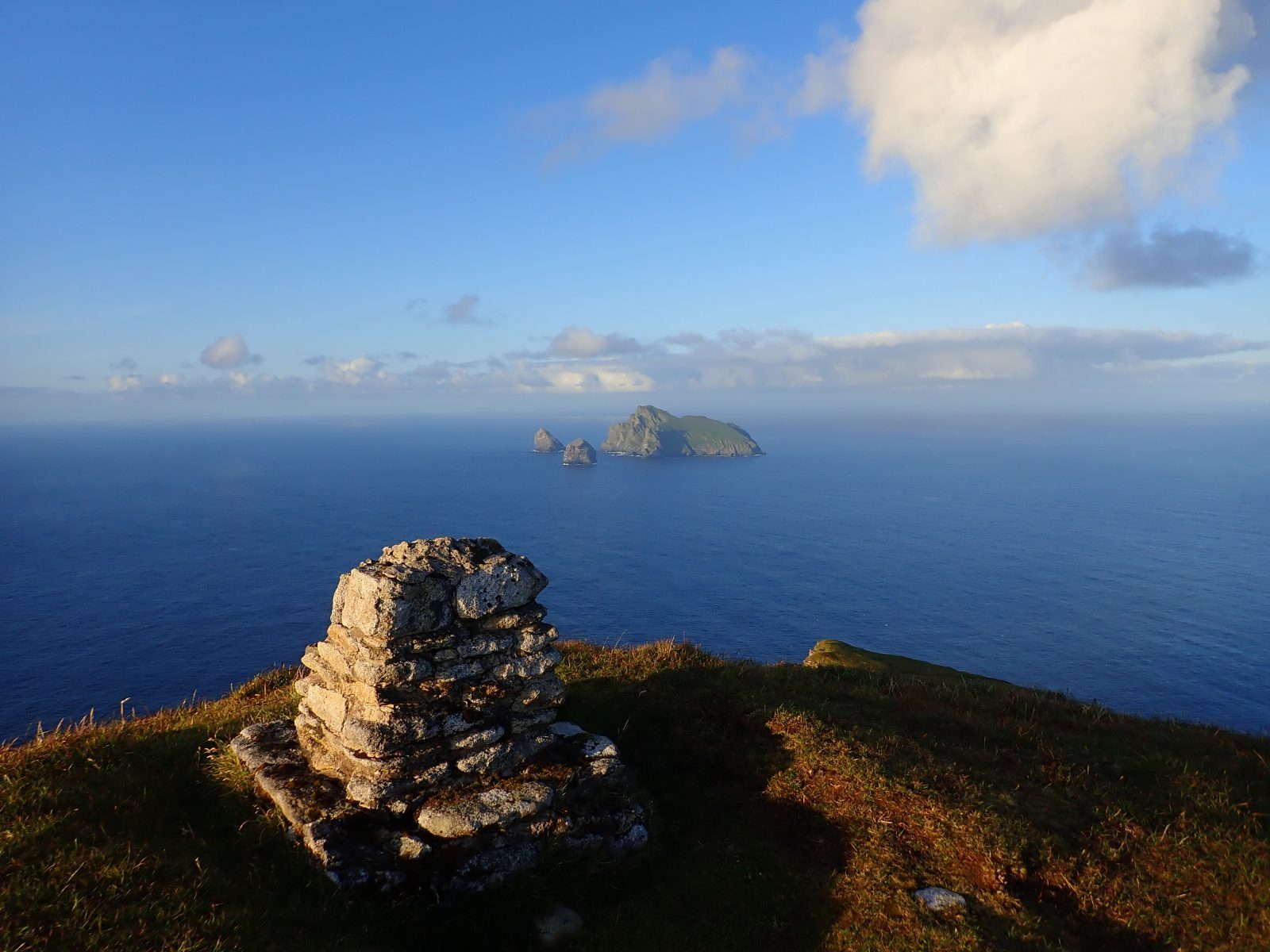
At the summit, the view was overwhelming. Boreray stood sharply against the ocean, its cliffs alive with seabirds. Beyond that, nothing but the vast, open Atlantic stretching endlessly west.
It’s one of those rare moments where you feel completely removed from the rest of the world—exhilarating, humbling, and unforgettable.
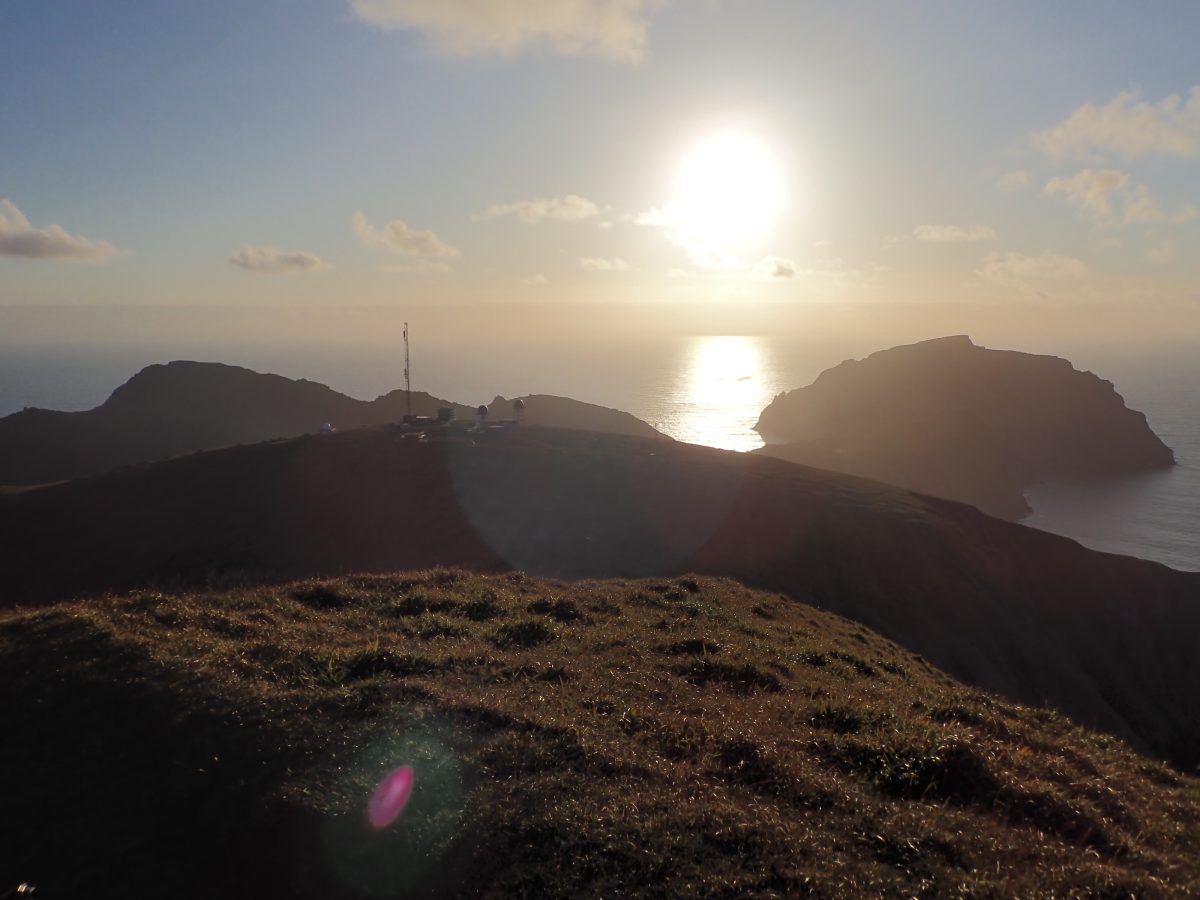
After a quick inspection it was on down the road for 200 meters or so and then a sharp turn and straight down the steep Creagan Breac slope through the cleits and back to the low-lying village. A run to remember!
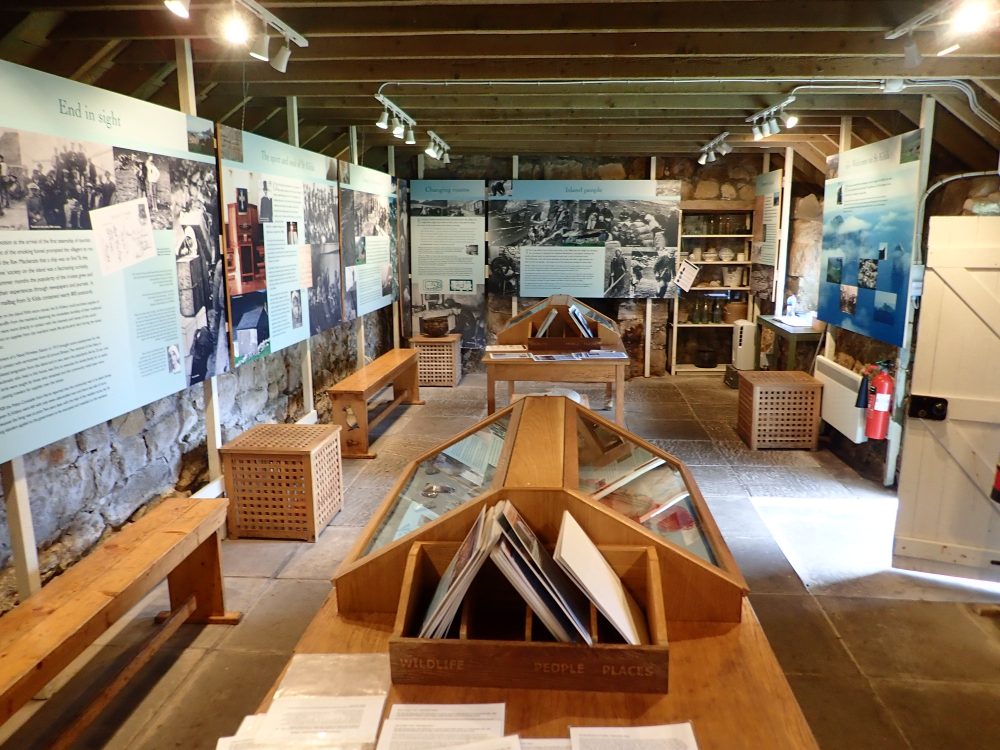
NTS Staff
NTS has three staff on the island. A ranger, bird ranger and an archaeologist. The three carry out a wide range of monitoring tasks monitoring and working with volunteers. All this effort essential to the safe keeping, essential work and hosting the 5,000 or so visitors. Mind you, its a long shift from spring through to autumn. My shift was over after three days and we said our goodbyes to the guys and prepared for the trip back to Leverburgh. I left much wiser to the needs of St Kilda and truly smitten by the awe-inspiring landscape and haunting history. A history that tells the story of hardships and evacuation but also a success story set over thousand of years of stable population and independence.
Leaving the Islands Behind
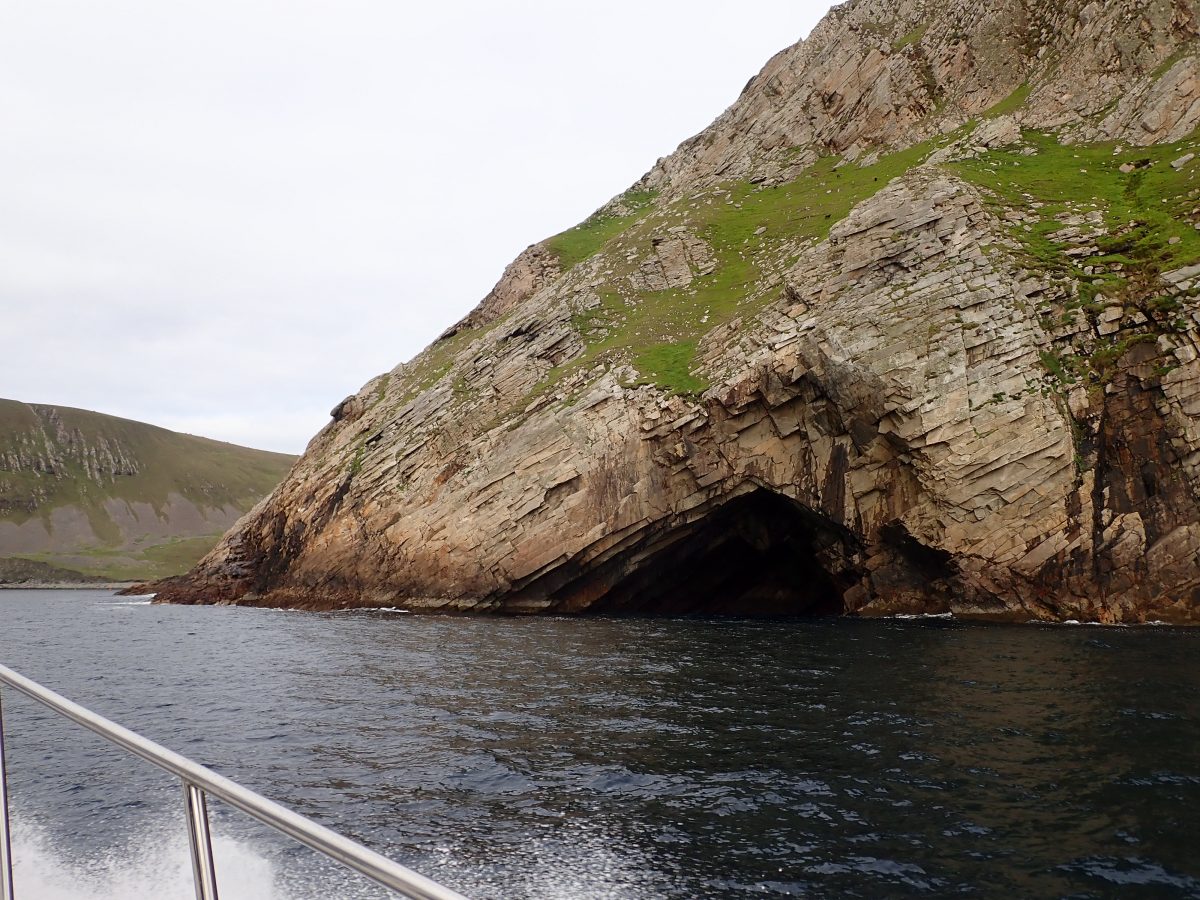
When it came time to leave, we passed close to Boreray. Its towering cliffs were alive with seabirds, wheeling and calling in vast numbers. It is one of the great wildlife spectacles anywhere in the world.
As we turned back towards the Outer Hebrides, St Kilda slowly faded into the distance, becoming once again a dark line on the horizon.
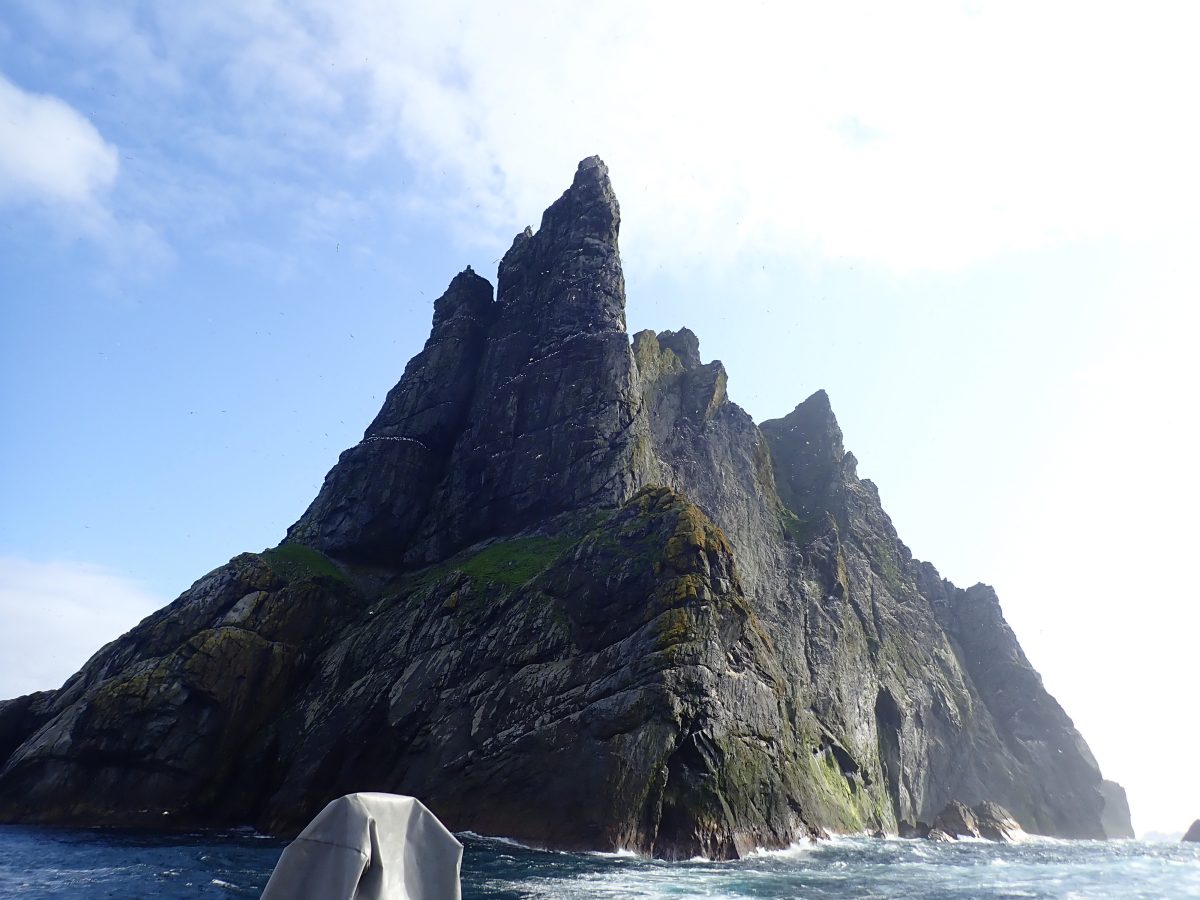
The boat turned for the open seas and he hurtled our way with a kind following sea back to the long dark strip on horizon that was the Hebrides. Leverburgh came into sight and the trip to St Kilda was compete, or from a different perspective another day at the office was over.
Visiting St Kilda: What You Need to Know
Getting to St Kilda is never straightforward, and that is part of what keeps it special. Boat trips depend entirely on the weather, and even then, landings are never guaranteed. There are no shops, no cafés, and very few facilities. Anyone planning a visit needs to come prepared for a long crossing and to carry everything they might need for the day.
And yet, despite the challenges, around five thousand people each year make the journey. Each one steps briefly into a place that feels both ancient and alive.
A History of Resilience
St Kilda is often defined by its evacuation in 1930, when the remaining residents chose to leave after centuries of isolation. But that moment is only part of a much longer story.
For over two thousand years, humans lived here, building a self-sufficient life in one of the most remote places in Europe. What stays with you is not just the hardship, but the resilience, ingenuity, and quiet determination that sustained that community for generations.
Why St Kilda Stays With You
It’s easy to think the journey ends when you leave, but St Kilda has a way of lingering.
It stays with you not just as a place you’ve visited, but as a reminder of what still exists at the edges of the world—raw, powerful, and profoundly moving.
Other information about St Kilda: UNESCO National Trust For Scotland Wiki Visit Outer Hebrides VisitScotlland St Kilda
Anchorage
Anchoring at St Kilda, particularly in Village Bay, requires careful planning and a healthy respect for the Atlantic. There is no fully sheltered anchorage, and conditions can change quickly with shifts in wind direction and sea state, often turning a calm bay into an uncomfortable or even unsafe holding ground. It’s essential to check forecasts thoroughly and remain prepared to move at short notice. Visiting vessels should make contact with the on-island team managed by the National Trust for Scotland rangers in advance, both for access guidance and to ensure compliance with conservation regulations. Even in settled weather, a vigilant watch and readiness to respond to changing conditions are key to a safe visit.
Explore other Islands
Image Gallery