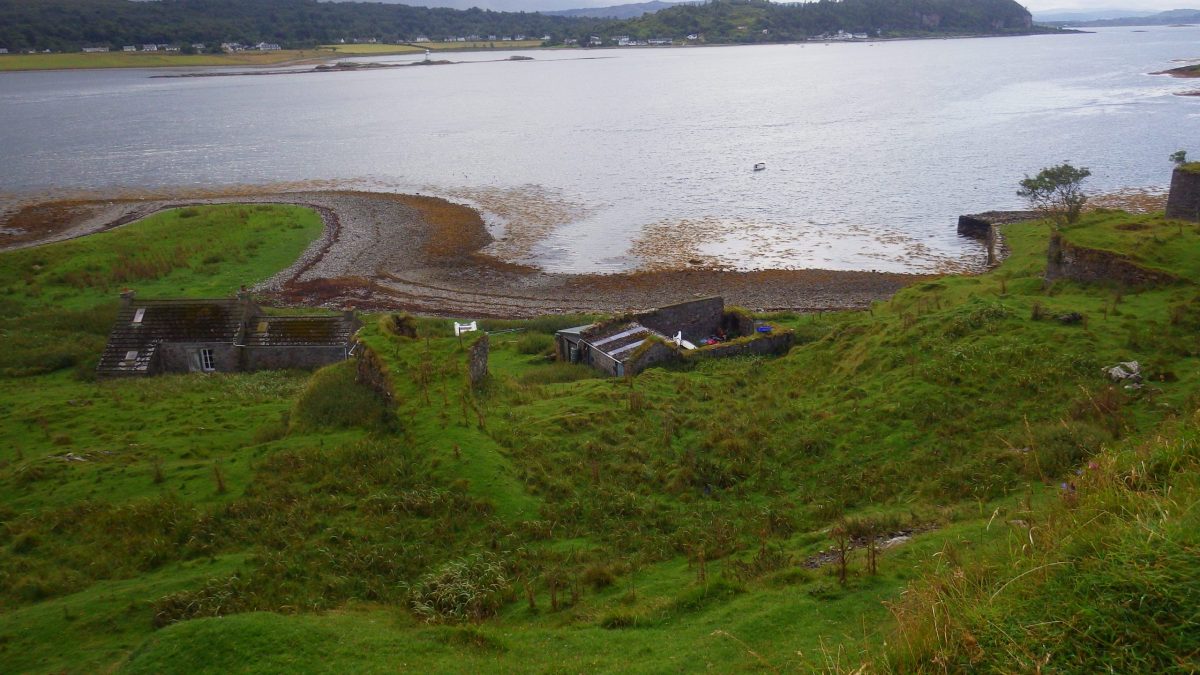
Eilean nan Caorach, a quiet island with a remarkable history
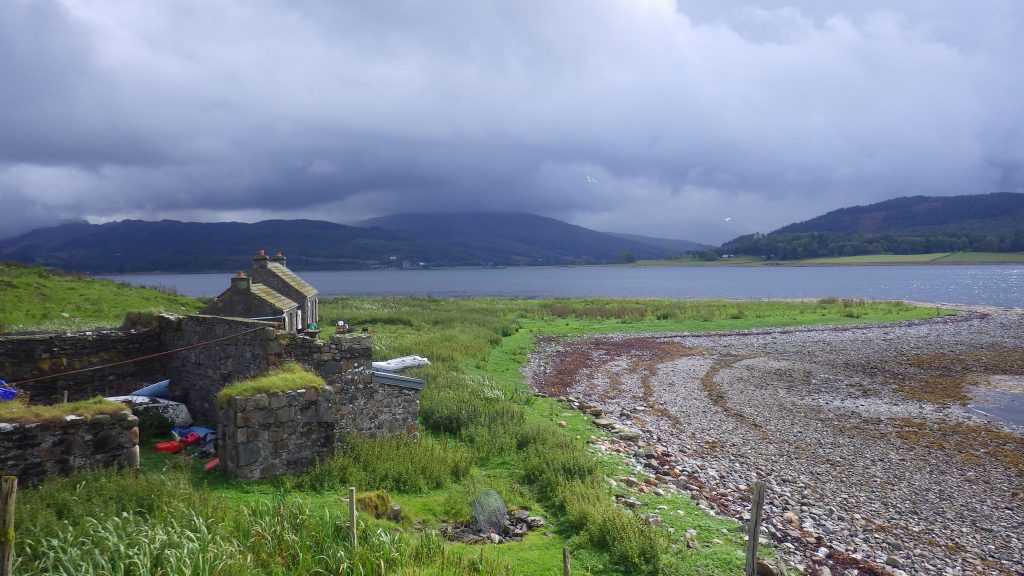
Eilean nan Caorach Appin Quick Facts
Here are the essential facts about visiting Eilean nan Caorach, including location, access, and what to expect.
- Island Location
- North West Scotland near Port Appin
- How to get there
- Private boat
- Highlights
- Stunning views to Mull and Lynn of Lorne
- Reasons to Visit
- Amazing industrial buildings and now undisturbed
- Island Type
- Uninhabited
- Highest Point
- Unnamed hill 30m
- Area
- 40 acres 10 hectares
- Interesting facts
- Centre of Quick Lime industry
Where is Eilean nan Caorach Appin
Island Experience
Sheep Island (Eilean nan Caorach), Appin
Eilean nan Caorach is the classic type of little Scottish island I have sailed past on numerous occasions. Always observing, but never having stopped to appreciate the depth of history and story it has to tell.
Eilean nan Caorach Situated at the northern mouth of the Lynn of Lorn just off the tip of Lismore. This islet stands a mere 30 metres high and sits just under a mile from the mainland at Port Appin.
The Landing
On a July afternoon Willie Gibson and I finally decided it was time to change that. Securing the dinghy against a steep, craggy rock face where heather and bracken fought for a foothold.
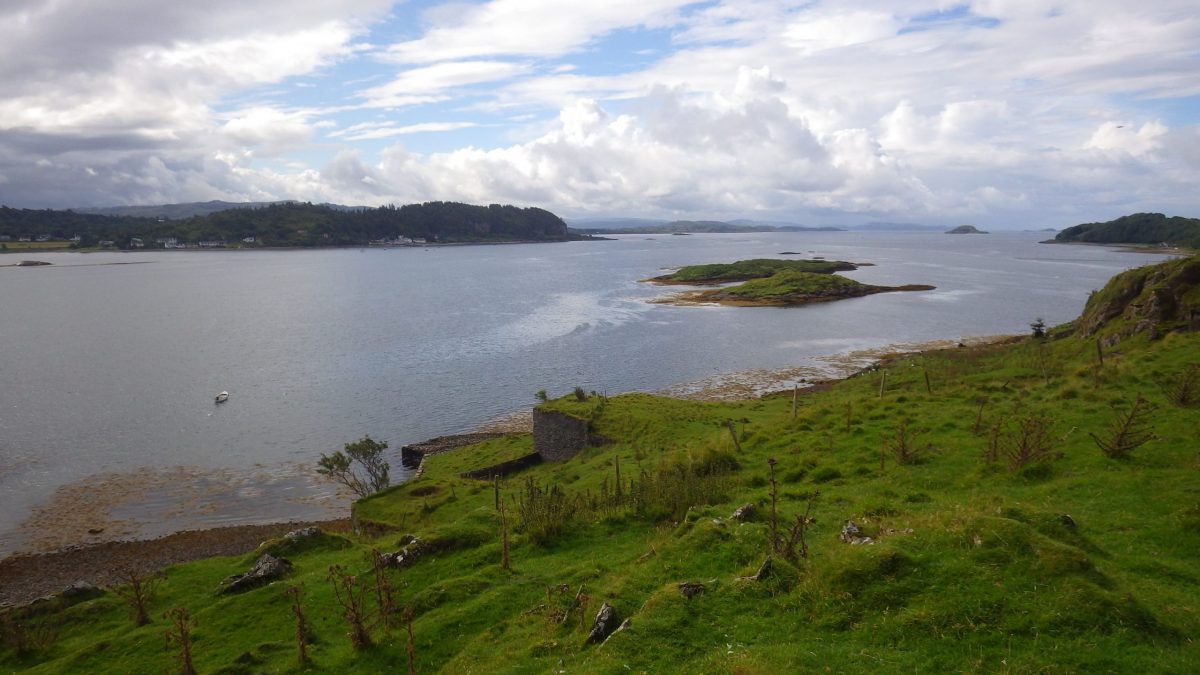
Once ashore, we made a straight line for the summit. The initial scramble through heavy bracken quickly gave way to beautifully smooth, short-grazed grassland. The terrain was an absolute joy to run on. Within five minutes we topped out onto the summit ridge to enjoy completely uninterrupted, panoramic views of the Lynn of Lorn.
While a small flock of local sheep totally ignored our presence, the resident seagulls squawked noisily overhead. The latter clearly less than thrilled to share their island idyll with two visitors.
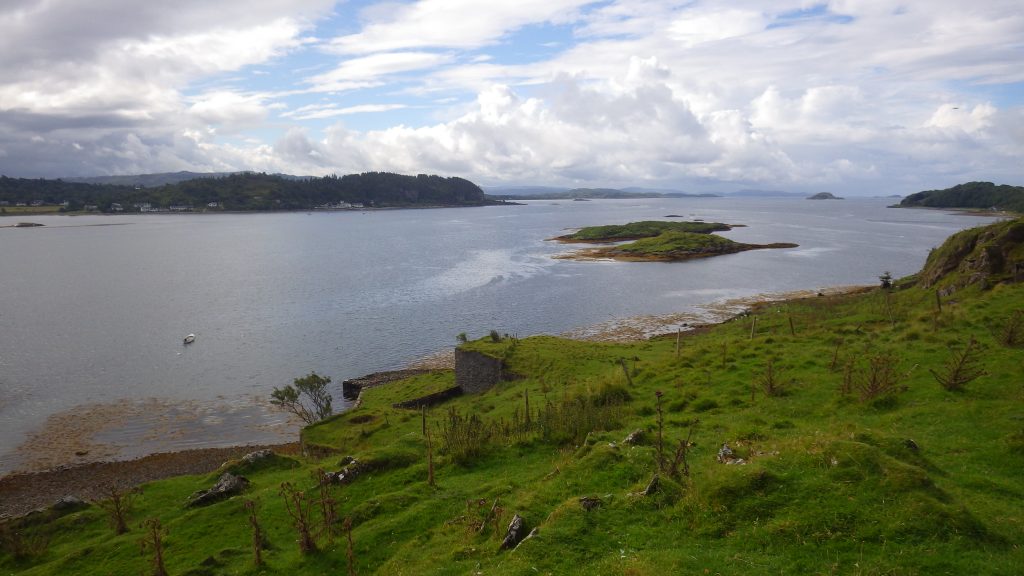
Industrial History: The Chemistry of the Cliffs
While its Gaelic name, Eilean nan Caorach (“Sheep Island”), immediately declares its traditional heritage as an offshore grazing pasture for mainland and Lismore farmers, the island holds a much more intense, industrial past.
Like neighbouring Lismore, Eilean nan Caorach sits on a massive, highly concentrated vein of Neoproterozoic Dalradian limestone. Though it looks deceptively grey on the cliffs, this stone is incredibly pure—yielding around 90% calcium carbonate. Around the early 1800s, entrepreneurs realised the immense value of this resource, sparking an industrial chapter that would last for over a century.
Quarrying here was hot, caustic, and incredibly gruelling work. Men hewed the rock by hand or broke into the seams using heavy iron pinches and black powder explosives. The raw stone was then moved downhill and fed into the tops of the massive stone kilns.
To fire the kilns, coal had to be shipped in from the mainland. The intense fires inside the brick-lined chambers reached temperatures upwards of 900°C, triggering a chemical reaction called calcination that converted the stone into quicklime (calcium oxide). The dangerous, highly caustic product was then raked out from the bottom “eye” of the kiln.
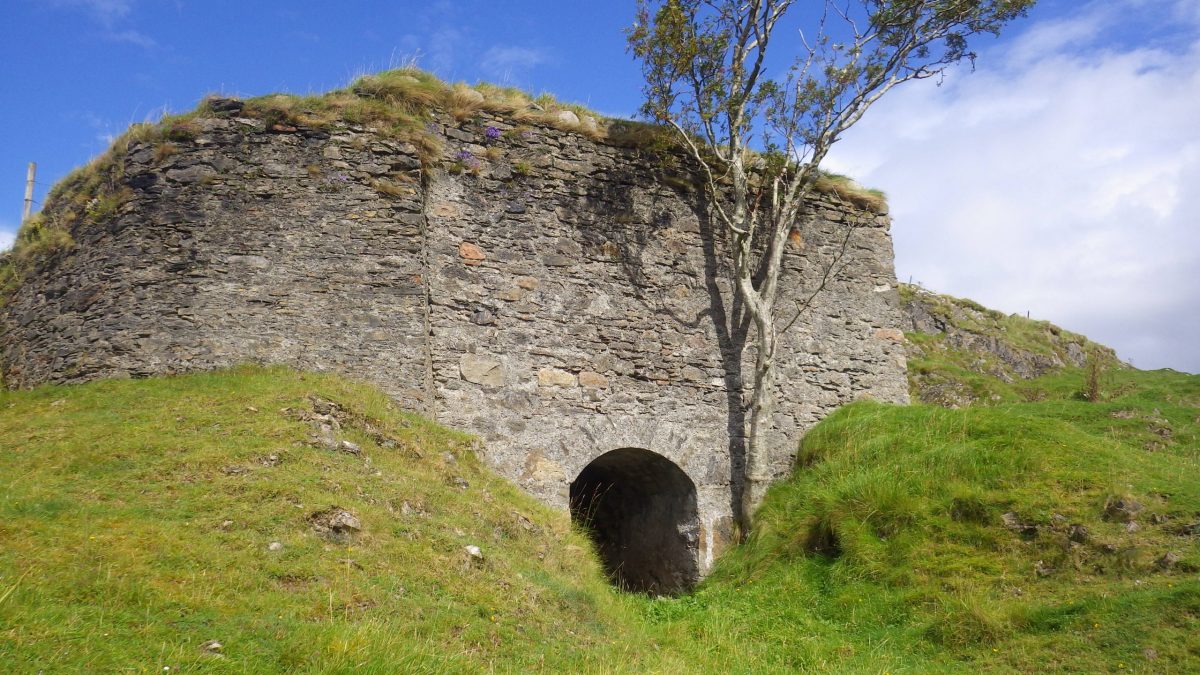
The Quicklime Kilns
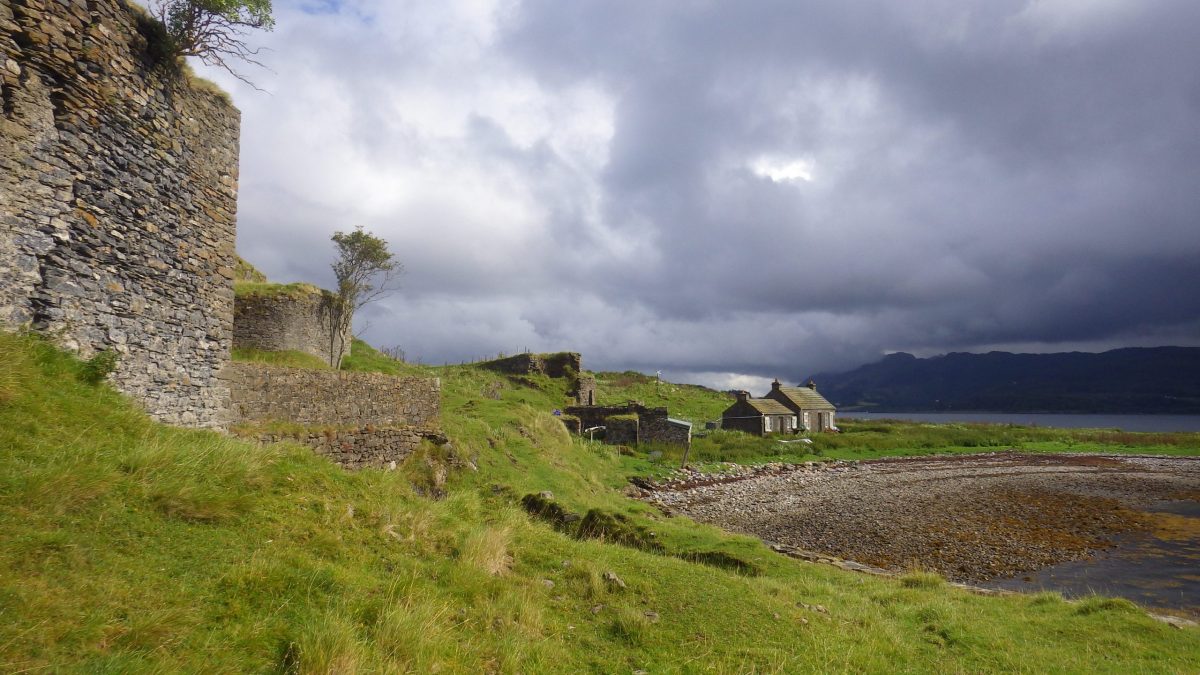
Eilean nan Caorach features three single-chamber kilns built right into the landscape, each of a slightly different design. The smallest is the oldest and has fallen into a ruinous state. The largest features impressive, intact Victorian brickwork engineering.

The assortment of stores, outhouses and buildings tell a story of its industrial past. Times have changed and the ‘workers’ stone cottage has been recently refurbished and is now let out as a self catering unit. If you wish to rent a cottage on an island and be on your own and be the only resident, this is the place for you.
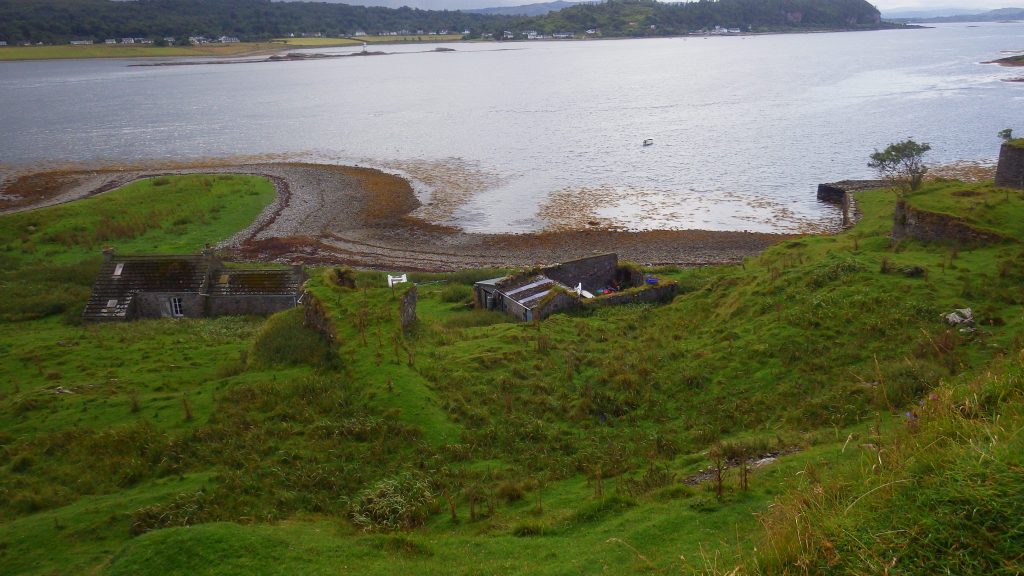
Walking past the old ruins on the eastern side, you will find an assortment of old stores and outhouses that outline the old footprint of the quarry works. Times have changed, however, and the historic stone workers’ cottage has been beautifully refurbished into an off-grid self-catering holiday rental.
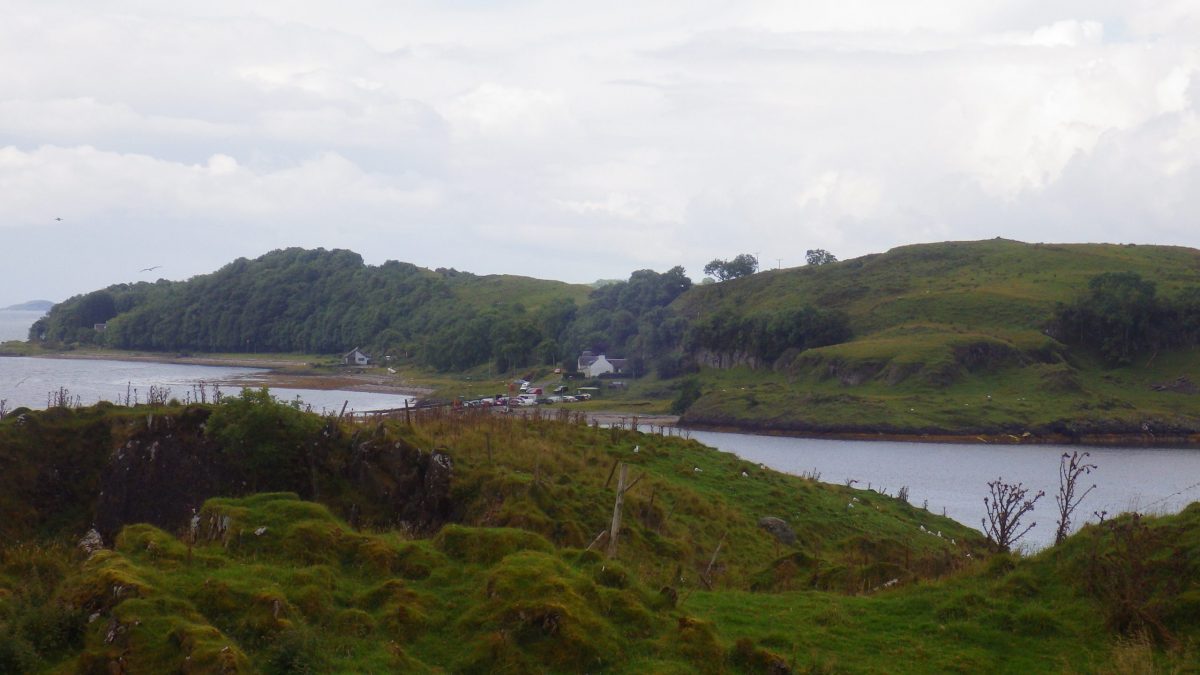
The Port Appin to Lismore Slipway
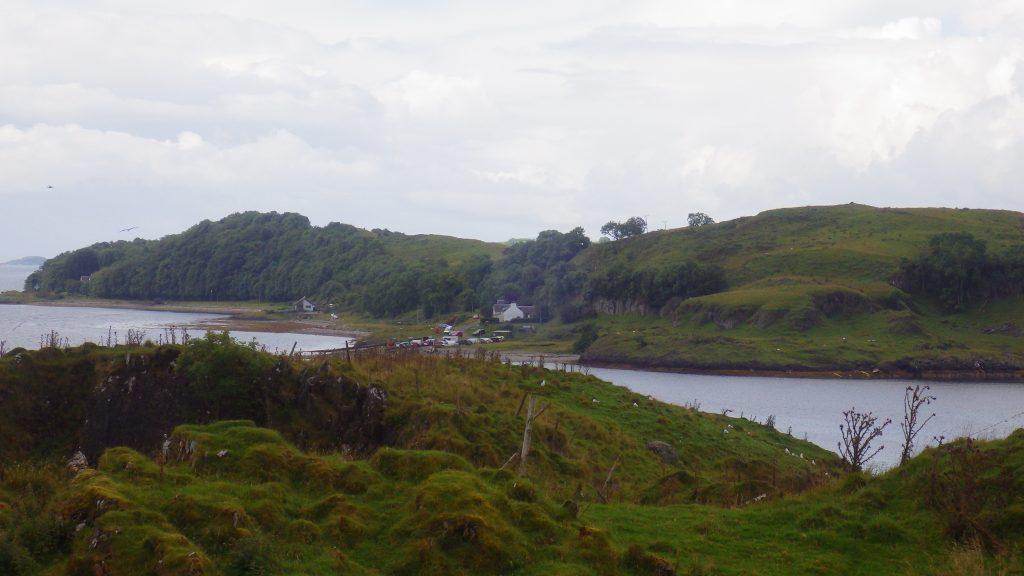
Summit reached
As we climbed the hill during our visit, we felt a sudden pang of guilt. Our unexpected appearance over the ridge caused the island’s temporary tenants to make a quick, startled retreat back inside the cottage. Undeterred, we kept our distance, enjoyed the summit views, and left them to their peace within a few minutes, knowing we were bound for our next island of the day.
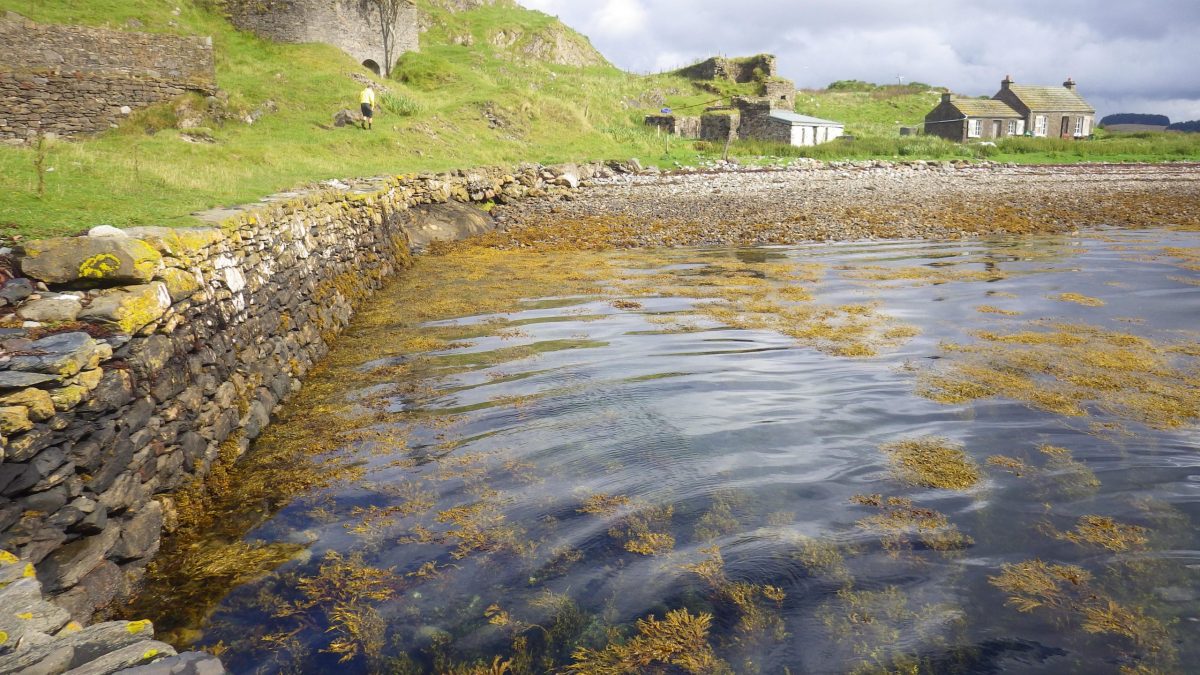
Summit done we came back down to the eastern beach. From there we had a good explore of the kilns and remnants of what must have been a low harbour wall. The harbour took flat bottomed boats that dried out at low tide and from there been loaded with their valuable export to the mainland.
Leaving the Harbour
Before heading back, we descended to the eastern beach to inspect the old harbour. Here, the remnants of a low, robust stone breakwater still trace the shoreline. This tidal harbour was specifically engineered for flat-bottomed sailing smacks. The boats would arrive on the high tide, settle flat onto the sand as the water receded, and stand high and dry while workers loaded the heavy barrels of quicklime. Once the tide flooded back into the Lynn of Lorn, they would float off and set sail for mainland ports.
Remnants of the Old Harbour Wall
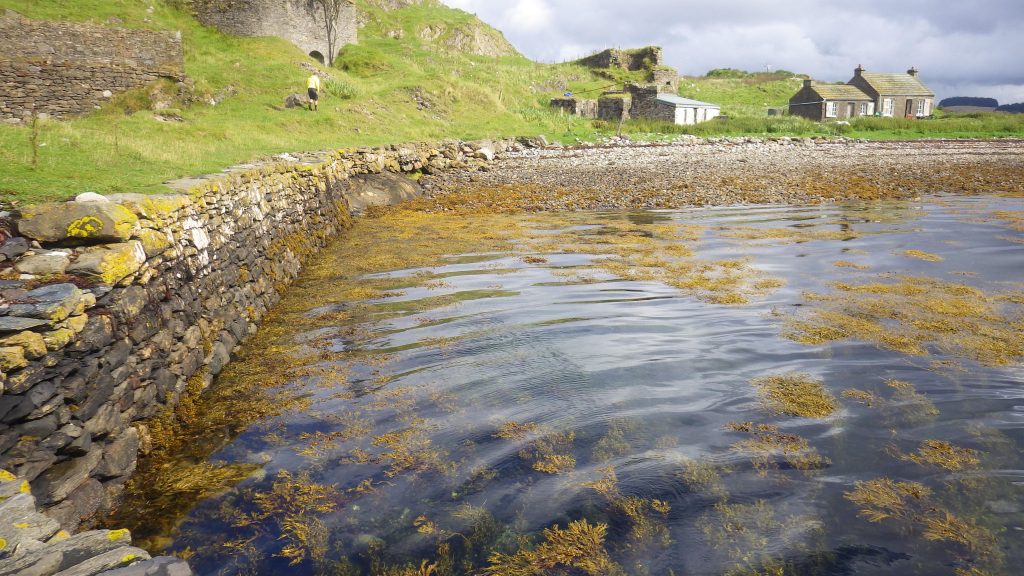
Willie and I retraced our steps back across the ridge, dropped down the steep western face to the waiting dinghy, and paddled out to Nordic Fulmar. Another remote, fascinating fragment of the Scottish coast successfully visited, summited, and deeply appreciated.
Nearby Scotislands
Eilean Dubh – A low-lying islet in the Lynn of Lorn, famed for its thriving colony of common seals.
Bernera (Loch Linnhe) – A spectacular limestone island featuring rare rock whitebeam trees, ancient maritime cliffs, and the ruins of Achinduin Castle nearby.
Image Gallery