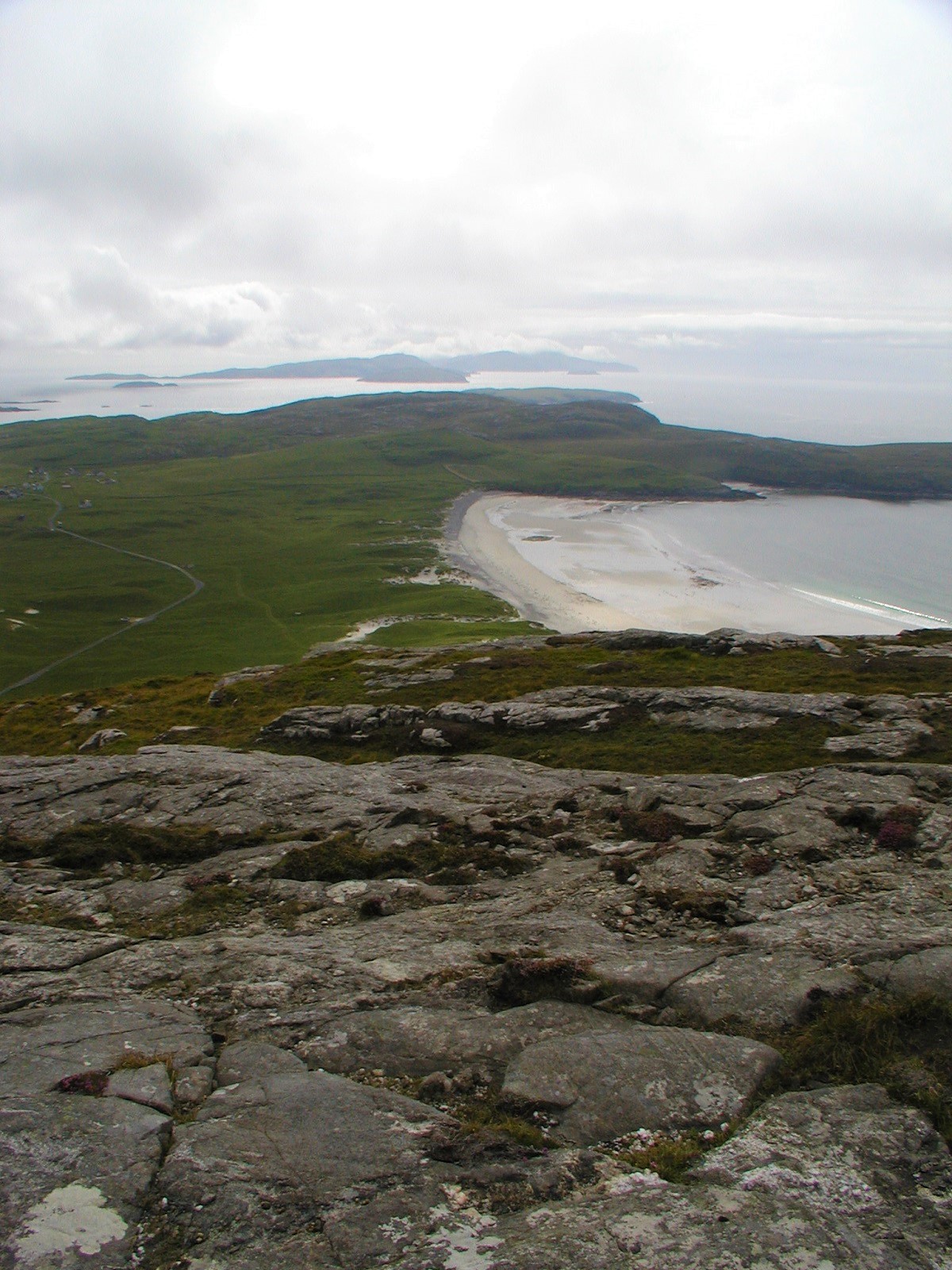
Introduction
Vatersay (Bhatarsaidh) holds a unique title in the British Isles: it is the westernmost permanently inhabited place in Scotland. This island is a breathtaking gateway to the southern archipelago of the Outer Hebrides, where the Atlantic Ocean meets some of the most spectacular white-sand beaches in Europe.
Vatersay Quick Glance
Location: Outer Hebrides, south of Barra.
Key Peak: Heishival Mòr (190m).
Famous For: The Annie Jane shipwreck monument and world-class white sand beaches.
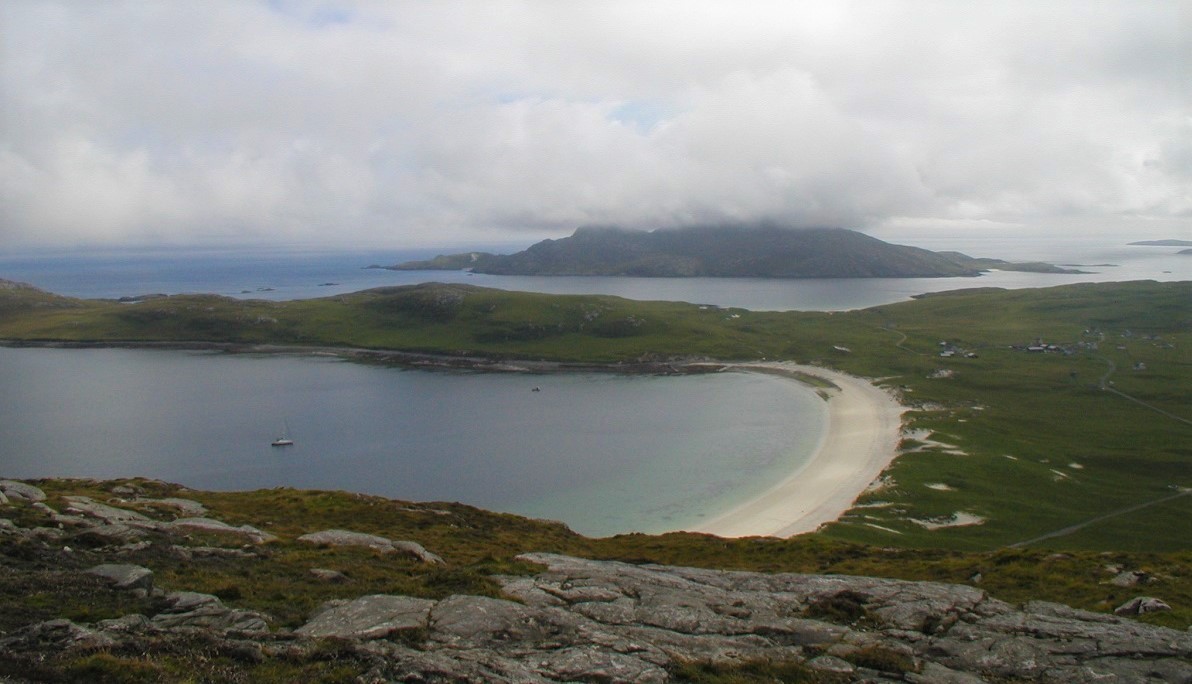
Sailing Note: Vatersay Bay offers excellent holding in sand but can be exposed to easterly swells.
Where is Vatersay
Island Experience
Vatersay: A High-Speed Ascent in the Outer Hebrides
Our journey north from the haunting cliffs of Mingulay toward the Isle of Skye offered a fleeting but irresistible window of opportunity: a chance to “top” the remote peaks of Vatersay. As the southernmost inhabited island in the Outer Hebrides, Vatersay is a sanctuary of white sands and turquoise waters—a landscape that feels more Caribbean than Caledonian.
Dropping Anchor in Vatersay Bay
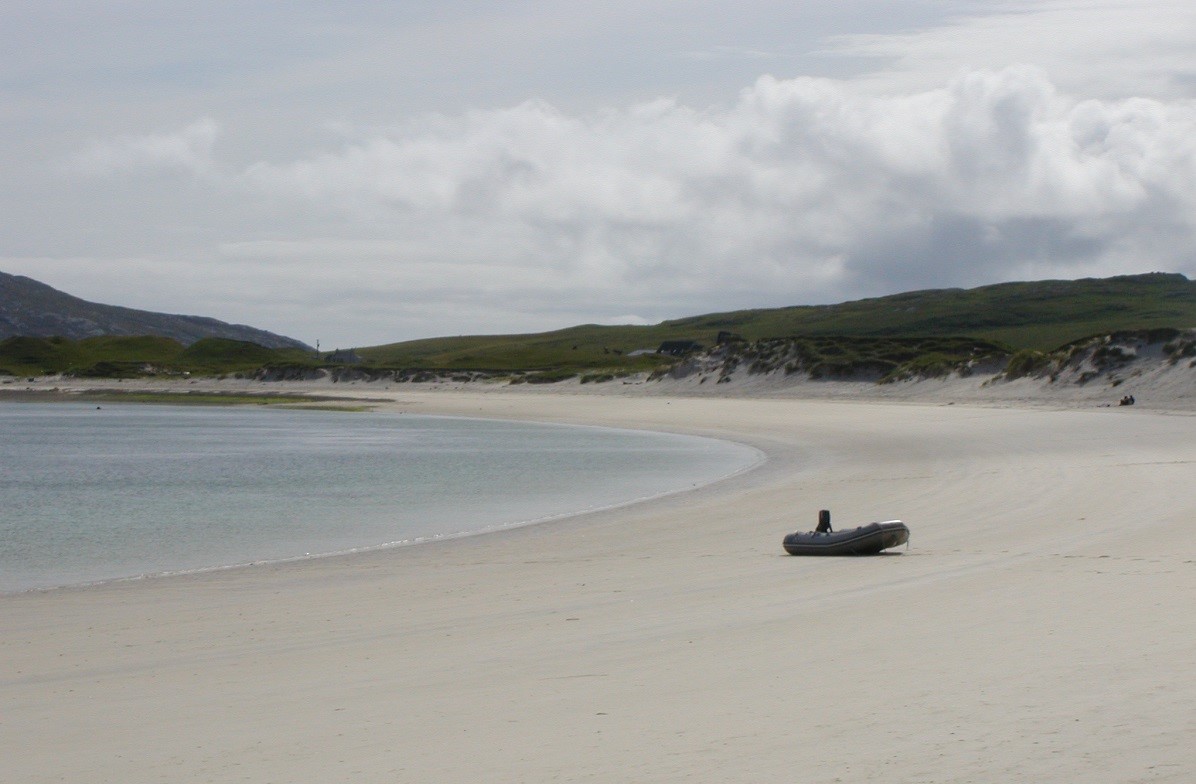
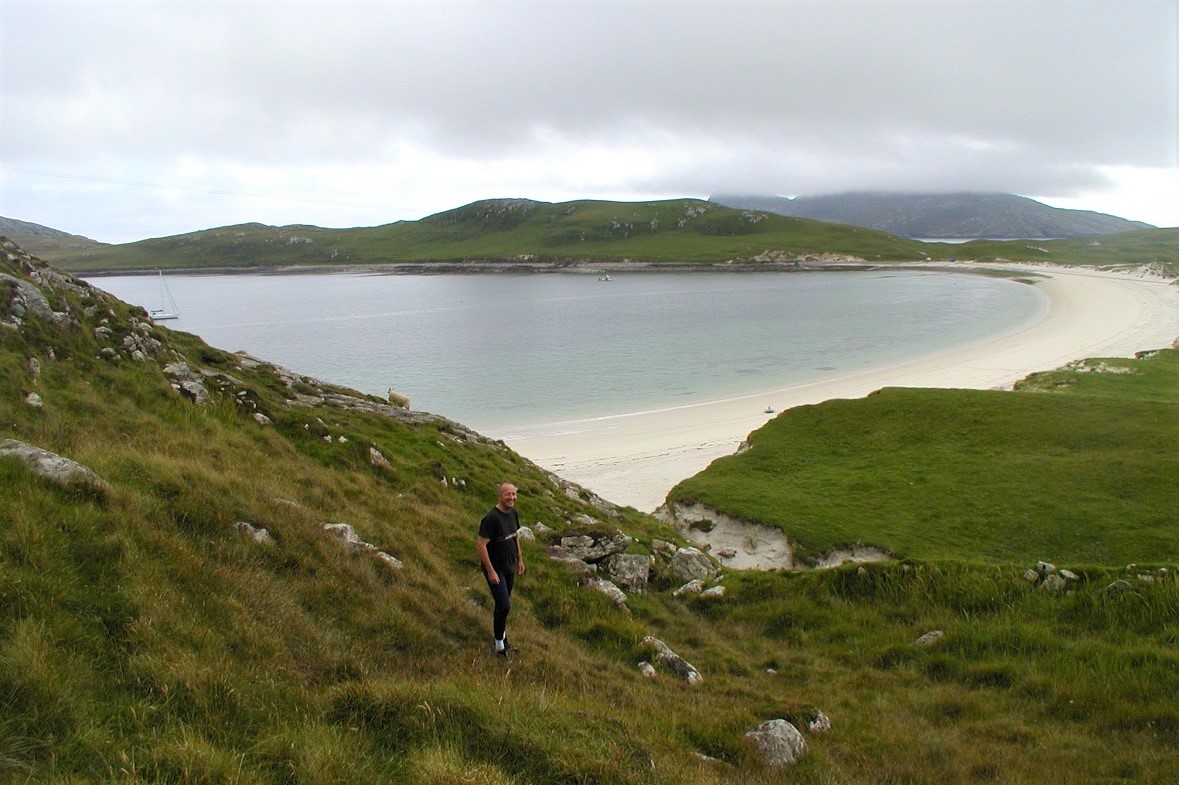
We brought our yacht, Pegasus, into the wide, sweeping embrace of Vatersay Bay (Bàgh Bhatarsaidh). This legendary anchorage is famous for its pristine Machair (fertile coastal grassland) and the rhythmic Atlantic swells that roll onto its shores.
The Scramble Up Heishival Mòr
With the wind at our backs, we scuttled ashore to begin the ascent of Heishival Mòr. For a peak that offers such commanding views, it is a rewarding “quick win” for any island bagger:
-
The Ascent: A brisk 40-minute round trip from sea level to the summit.
-
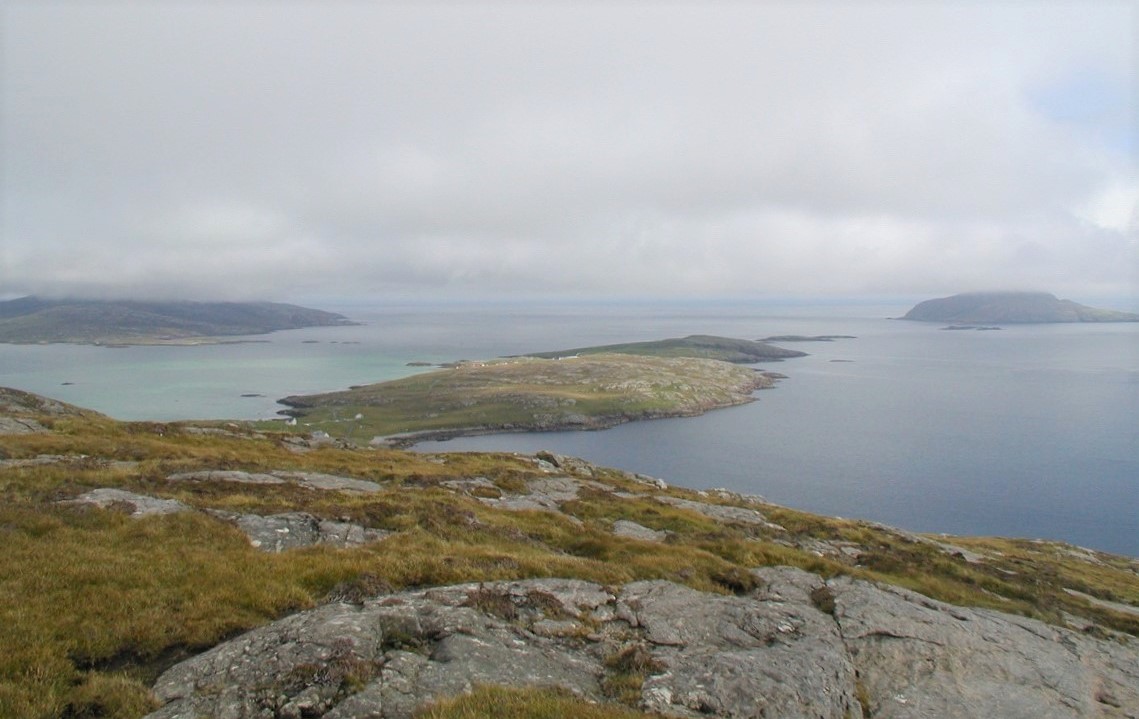
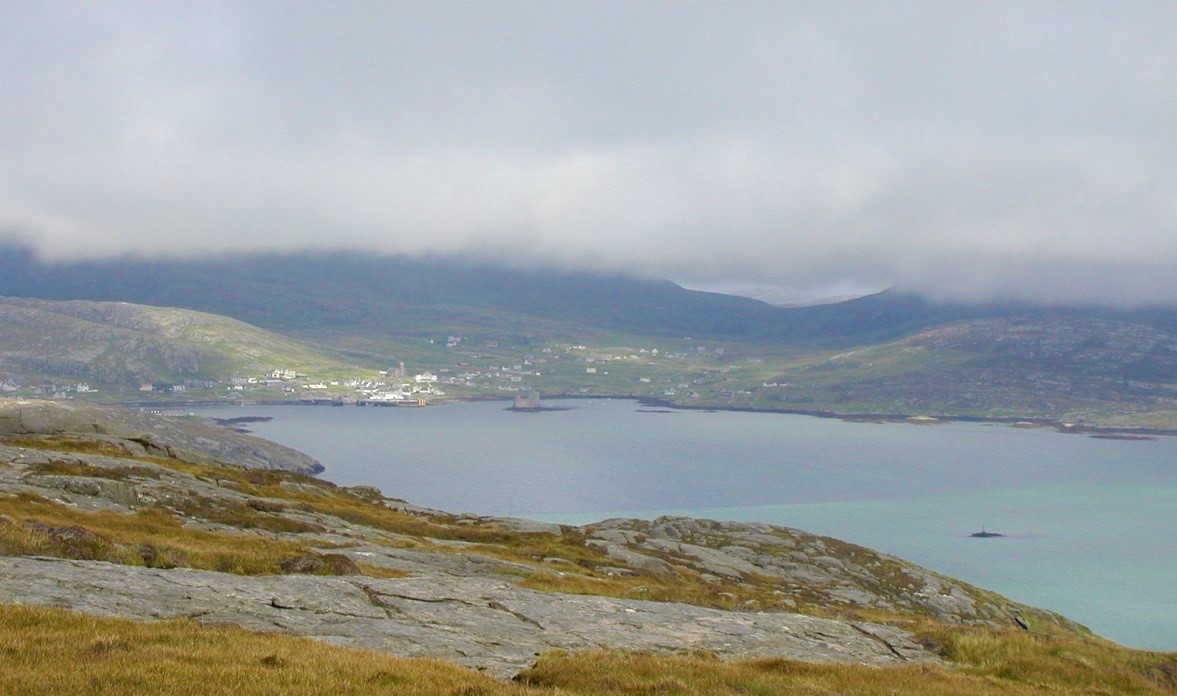
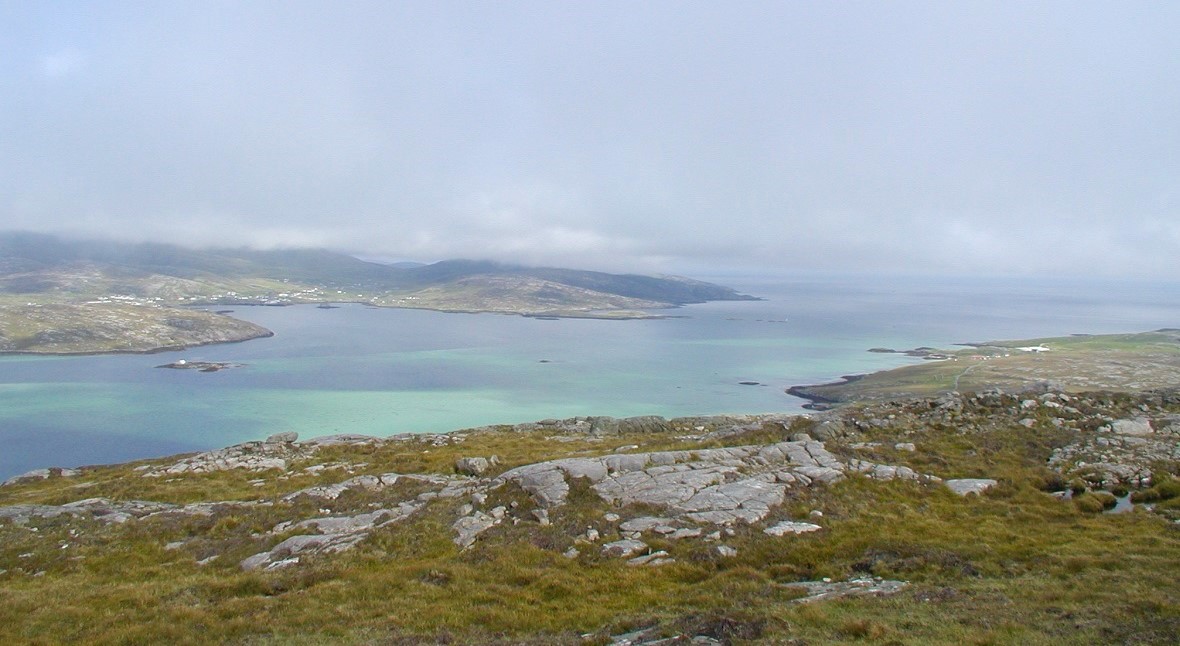
The View: From the top, the intricate geography of the Southern Isles unfolds. You can look directly down into the bustling Castlebay on Barra or turn your gaze east toward the vast, blue expanse of The Minch.
The Annie Jane: A Legacy Written in the Sand
In September 1853, the three-masted ship Annie Jane set sail from Liverpool, her hull filled with the dreams of 450 migrants bound for a new life in Canada. The transition from a hopeful voyage to a struggle for survival occurred with terrifying speed. Within ten minutes, the ship began to splinter under the weight of a ferocious gale.
Despite the harrowing conditions, the Vatersay islanders rushed to the shore—a testament to the enduring human spirit that seeks to preserve life when the elements are at their most destructive.
The Earthly Finality
While a few survived, most were claimed by the Atlantic. Today, a lonely cairn and monument mark the site where the earth finally reclaimed those who sought a new world.
The Inscription: “On 28th September 1853 the ship Annie Jane with emigrants from Liverpool to Quebec was totally wrecked in this bay… their bodies interred here.”
The Catalina Wreck
Near the shore, the remains of a 1944 Catalina flying boat lie in a quiet stream bed on the slopes of Heiseabhal Beag.
Check out what Vatersay really has to offer at Vatersay
Nearby Scotislands
Image Gallery