Introduction
Isle Ristol: A Hidden Gem in the Summer Isles
Isle Ristol, the innermost of the Summer Isles in northwest Scotland, is a Scottish Wildlife Trust Reserve known for its unspoilt beauty, rich wildlife, and easy access from the mainland. Located just north of Ullapool in Wester Ross, this tidal island offers a unique blend of natural wonder, history, and peaceful exploration.
The Isle Ristol machair is particularly special, supporting over fifty plant species, including moonwort and adder’s tongue. The island also has historical significance, having been home to a British Fishery Society station in the late 18th century.
Isle Ristol Summer Isles Quick Facts
Here are the essential facts about visiting Isle Ristol and what to expect.
- Island Location
- Summer Isles NW Scotland
- How to get there
- Yacht, private boat and on foot at low water
- Highlights
- Golden beach, rich machair habitats and rare plant species
- Reasons to Visit
- Quiet anchorage for yachts and small boats
- Island Type
- Uninhabited
- Highest Point
- 71 m (233 ft)
- Area
- 225 ha (7⁄8 sq mile)
- Interesting facts
- Isle Ristol was a site of a British Fishery Society station in the late 18th century and now a Scottish Wildlife Trust Reserve.
Where is Isle Ristol Summer Isles
Island Experience
Isle Ristol, the innermost of the Summer Isles and is a Scottish Wildlife Trust Reserve.
Over fifty species have been identified amongst the flora on the Isle Ristol machair including moonwort and adder’s tongue. Isle Ristol was a site of a British Fishery Society station in the late 18th century.
Anchorage at Isle Ristol: A Perfect Sandy Bay
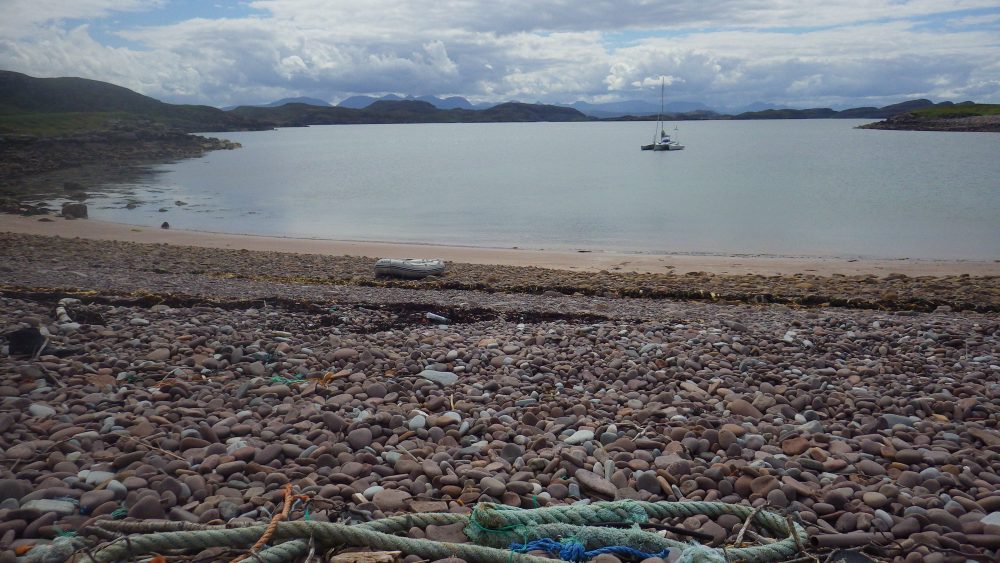
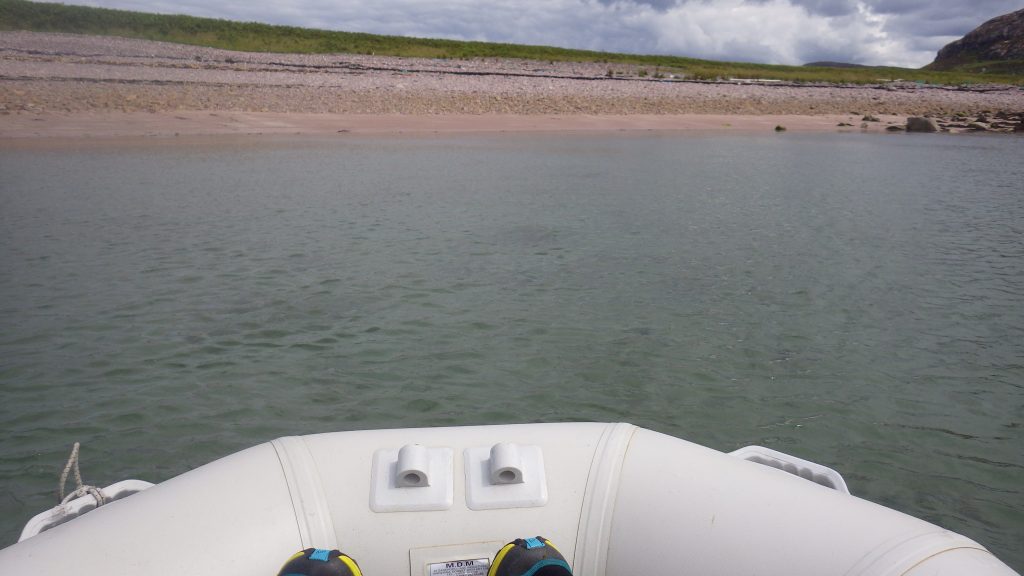
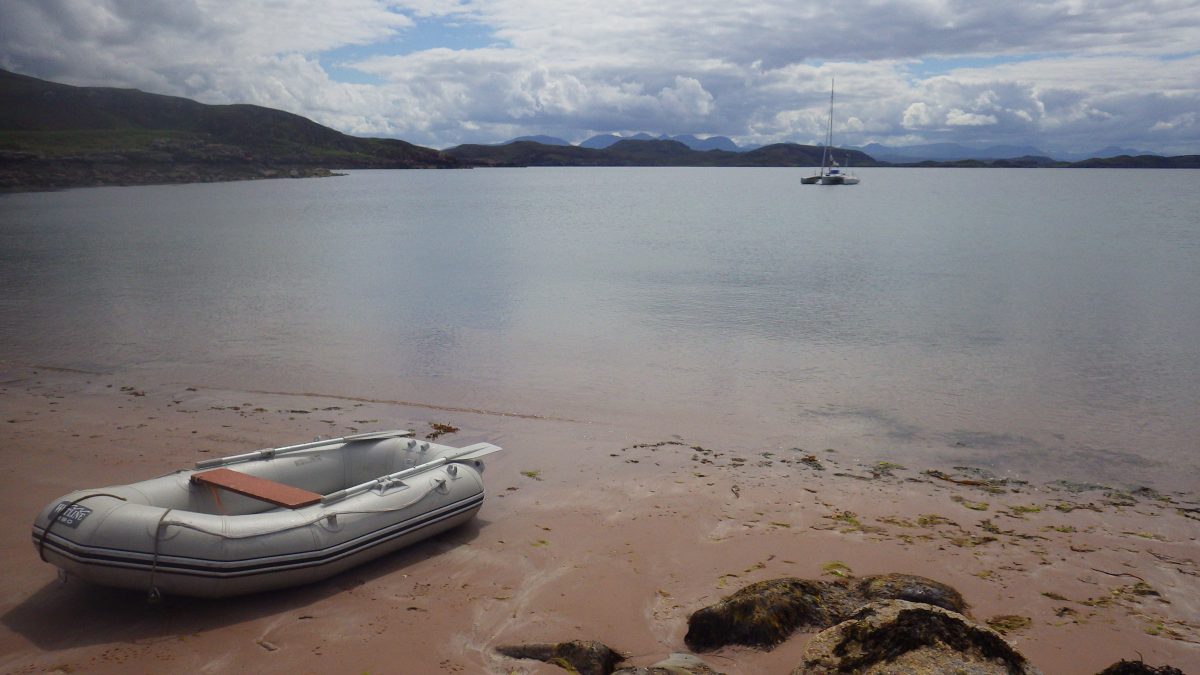
For sailors and visitors arriving by sea, Isle Ristol offers a superb anchorage on the south side of the island. The sandy-bottom bay provides excellent holding and a sheltered landing spot in settled conditions.
Anchoring my yacht Trade Winds in this beautiful bay, I made my way ashore by dinghy. The approach to the beach was quiet and atmospheric, with only the sound of gentle waves and seabirds overhead. Stepping onto the sand, the island immediately felt wild and untouched.
Walking Isle Ristol: Wildlife, Machair, and Coastal Views
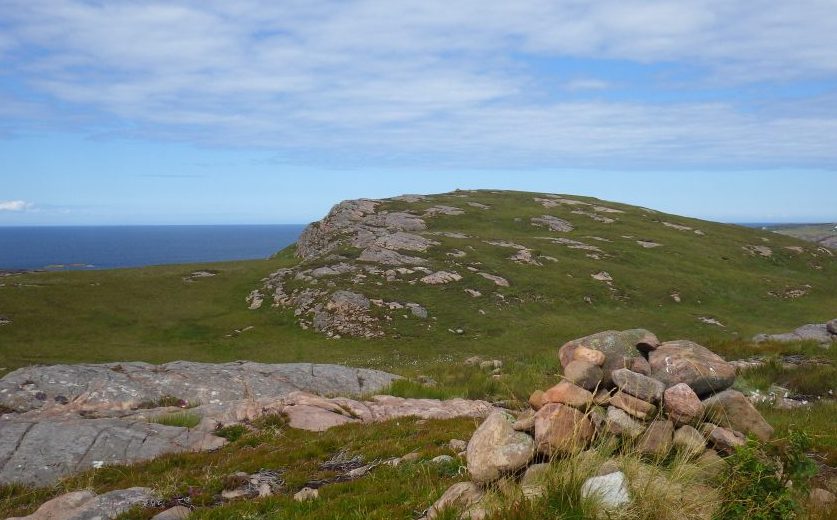
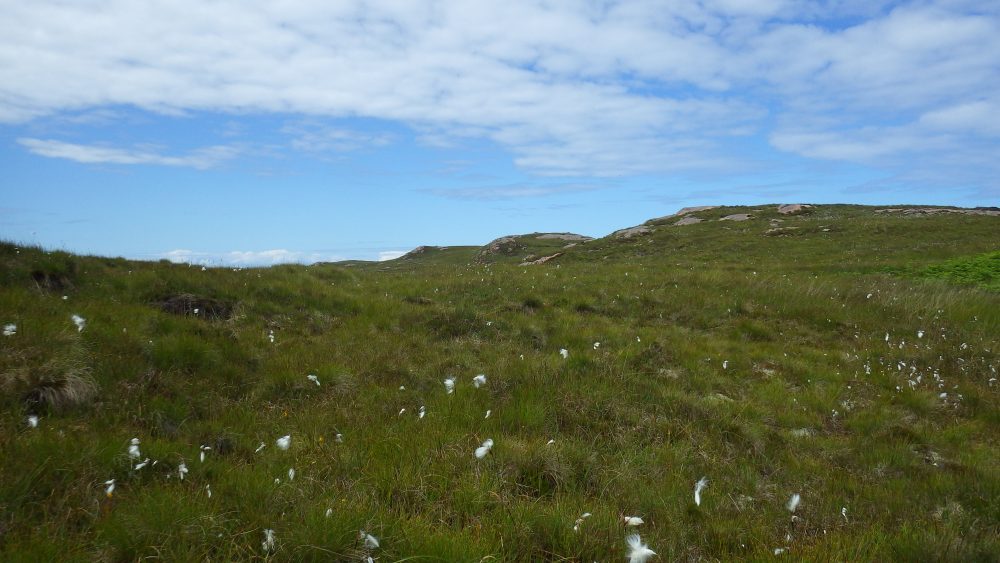
The island is alive with wildlife and diverse flora. From the shoreline to the summit, Isle Ristol offers a rewarding short walk through machair, grasslands, and exposed and bare rock.
The island’s highest point, at 71 metres, remains unnamed on OS maps. The climb is straightforward but requires care, as deep grass can conceal holes and uneven ground. Choosing a route across bare rock provides safer footing.
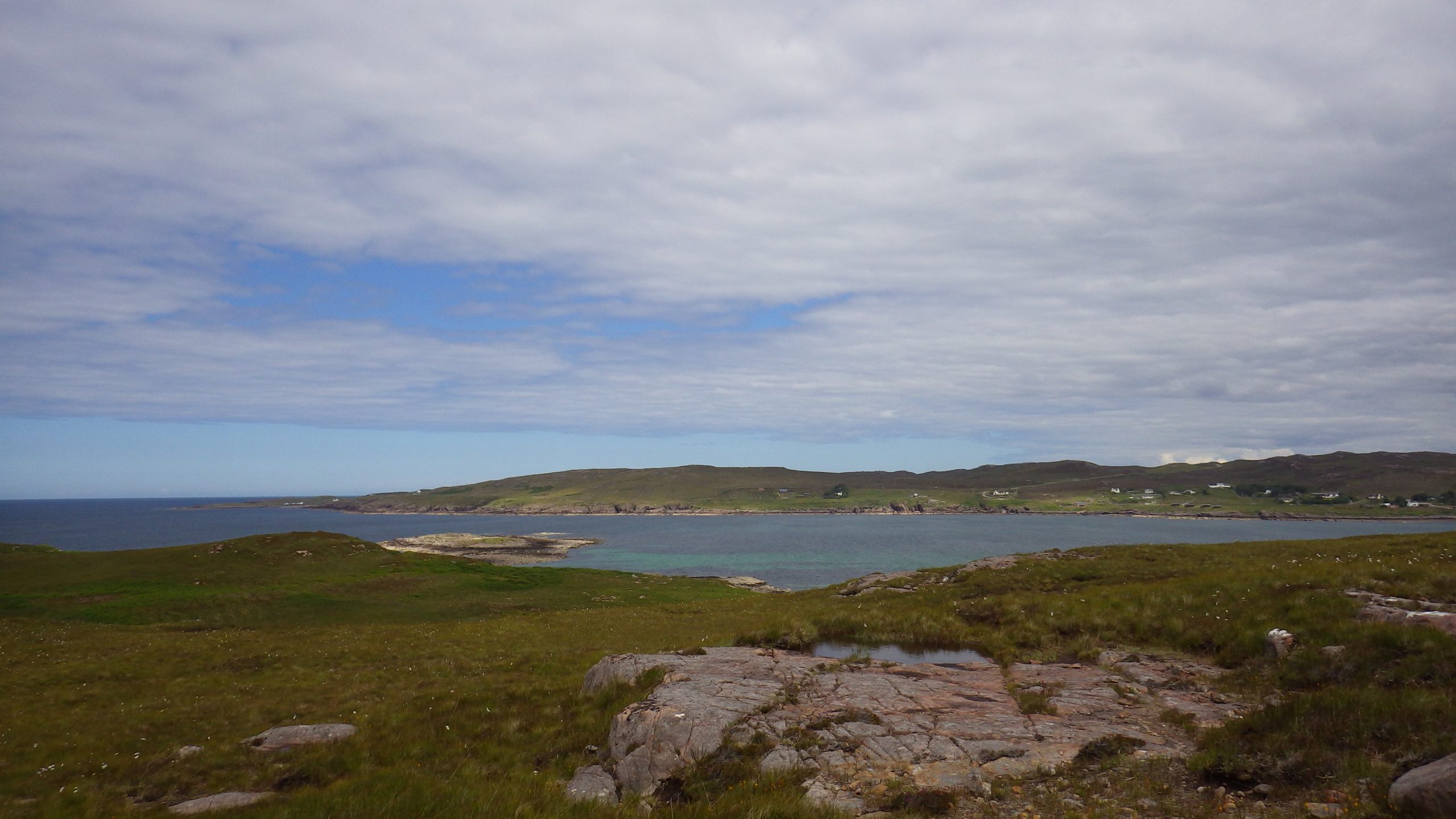
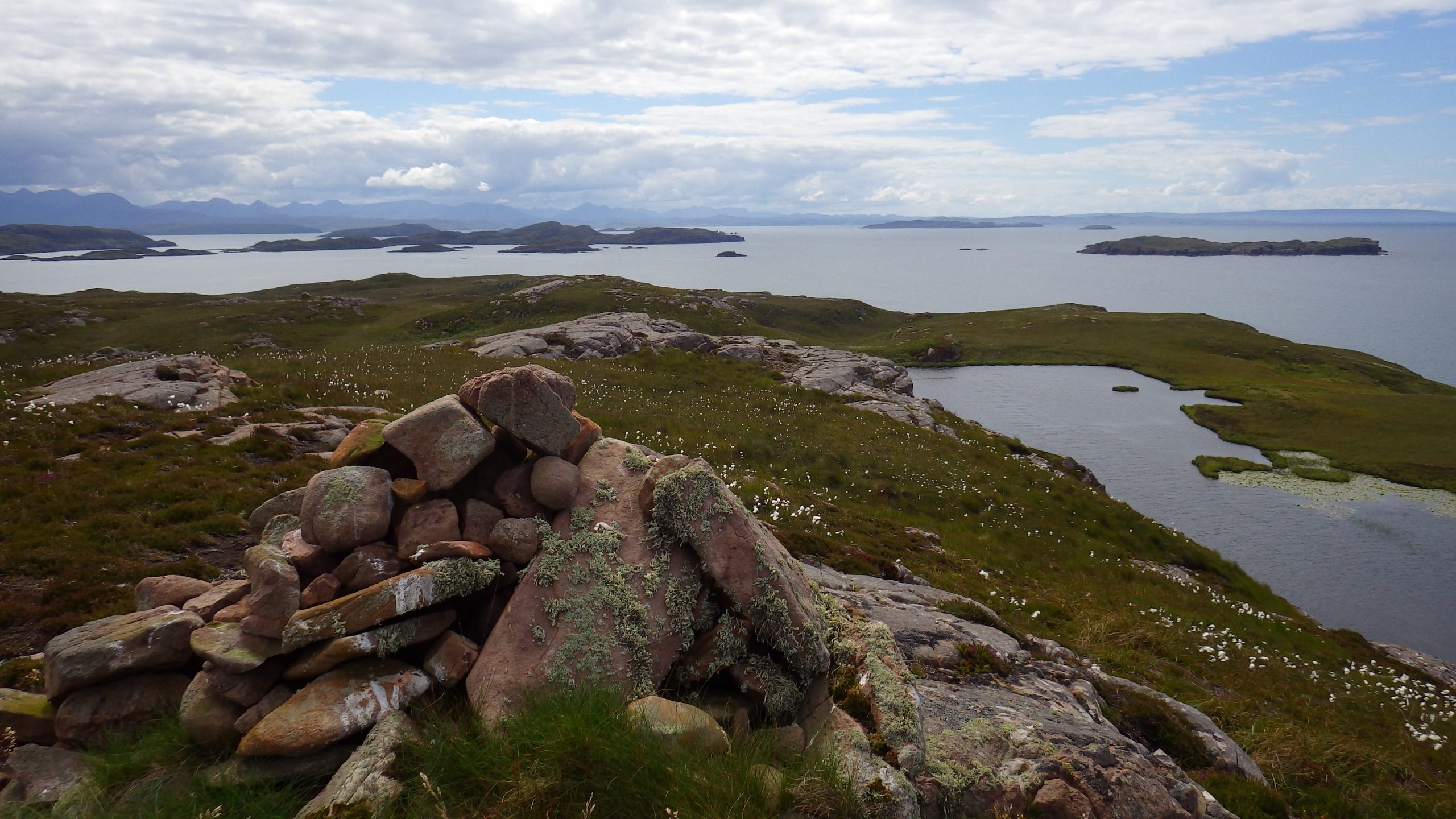
From the summit, the views are exceptional. To the west, the distant outline of the Hebrides stretches across the horizon. Inland, the dramatic mountains of Wester Ross rise in layered ridges. Below, white sandy beaches contrast with the deep blue of the surrounding sea, while Dornie Sound separates the island from the mainland.
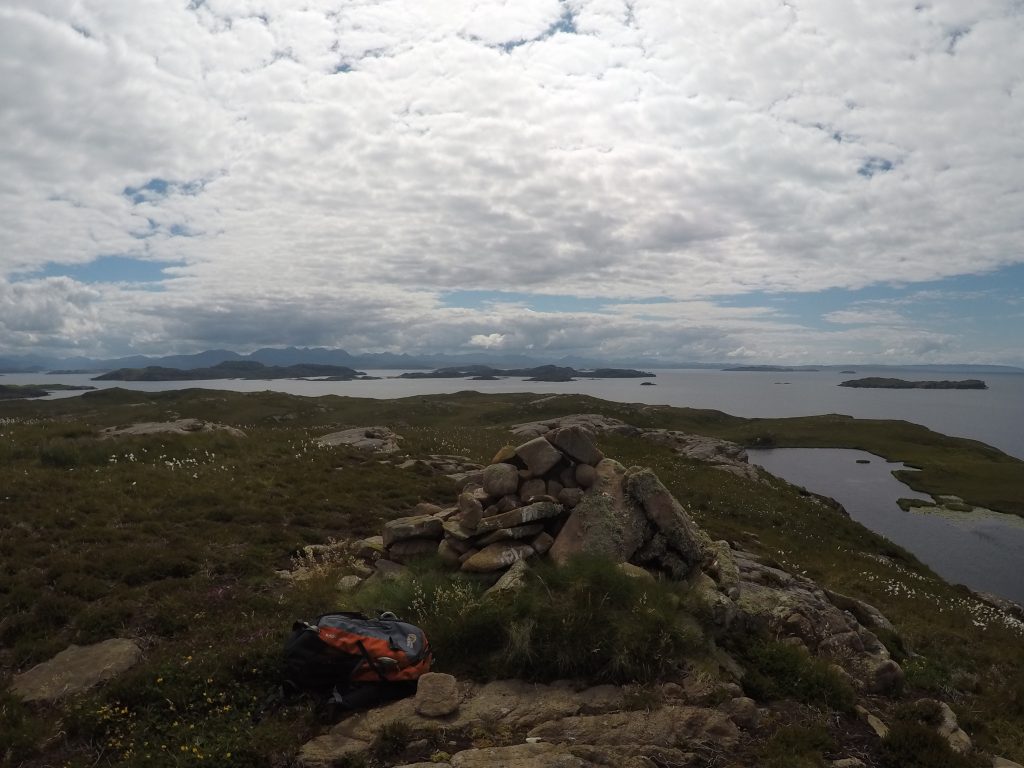
Isle Ristol is a very special place and and island that deserves an afternoon to explore. Today was a rushed visit. After the obligatory photoshoot I was off down the grassy slopes in search of that white beach.
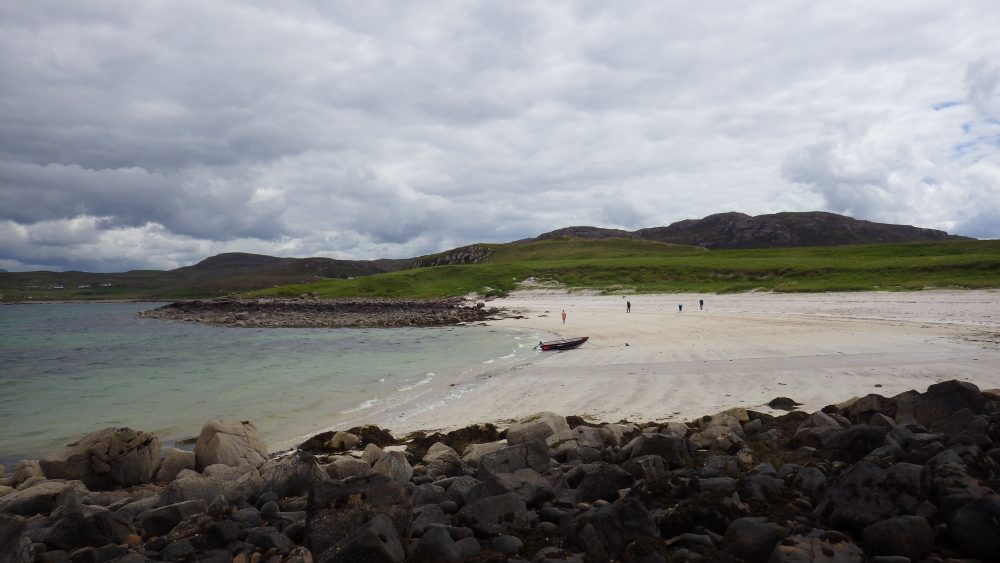
Beauty and The Beast
On the beach, I chatted with a family who had landed by dinghy and were a little surprised to see me emerge from the western side of the island. After a quick exchange, I made my way back over to my landing beach. I was glad to have sight again of Trade Winds at anchor in what was now a fairly stiff offshore breeze.
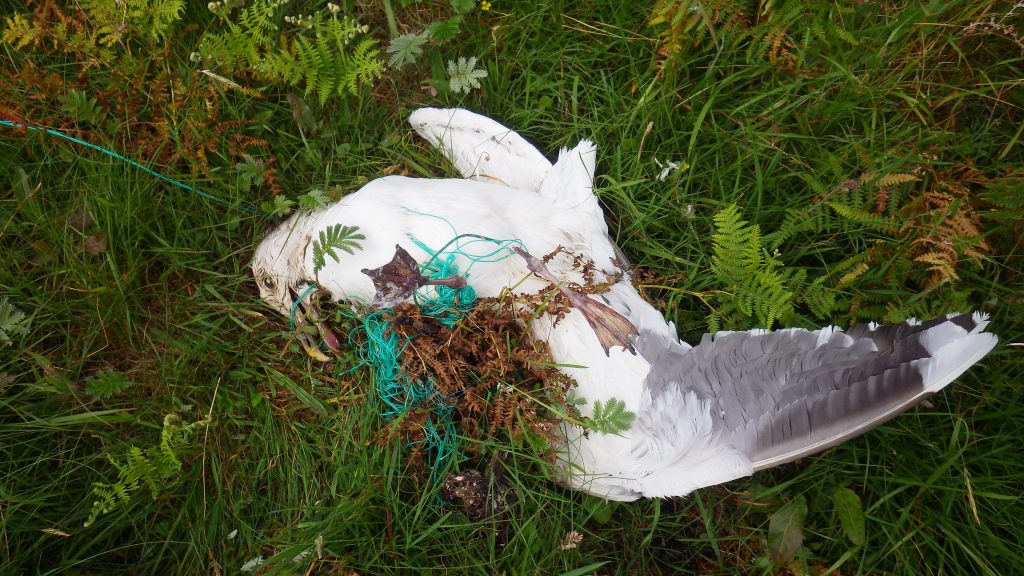
A few meters away from the beach I found terrible sight. A mature gull lay dead in the grass. The poor animal was wrapped in nylon twine and without doubt had suffered a terrible and agonising slow death. In and around this pitiful sight lay other detritus and waste from fishing boats. Lengths of nylon cordage, rope, floats and offcuts of bits of netting.
A Stark Reminder: Marine Pollution in the Summer Isles
Despite its beauty, Isle Ristol also reveals the impact of marine pollution. Along the high-water mark, discarded fishing gear—nylon rope, floats, and netting—was scattered across the grass.
One particularly sobering sight was a dead gull entangled in nylon twine, a clear victim of discarded fishing waste. It is a powerful reminder that even remote Scottish islands are not immune to environmental damage.
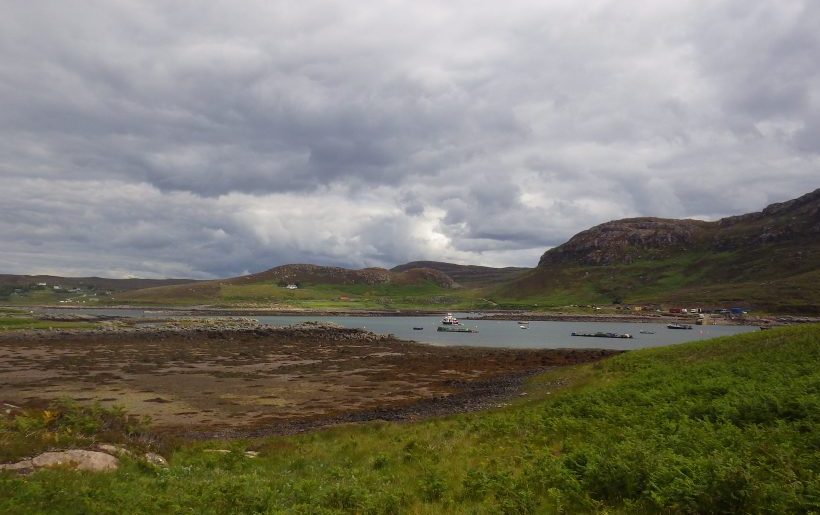
Looking across to Dornie Sound, where several fishing boats lay at mooring, the contrast between natural beauty and human impact was hard to ignore. The scale and type of debris suggest industrial sources rather than casual littering.
Sea Kayaking and Exploring the Summer Isles
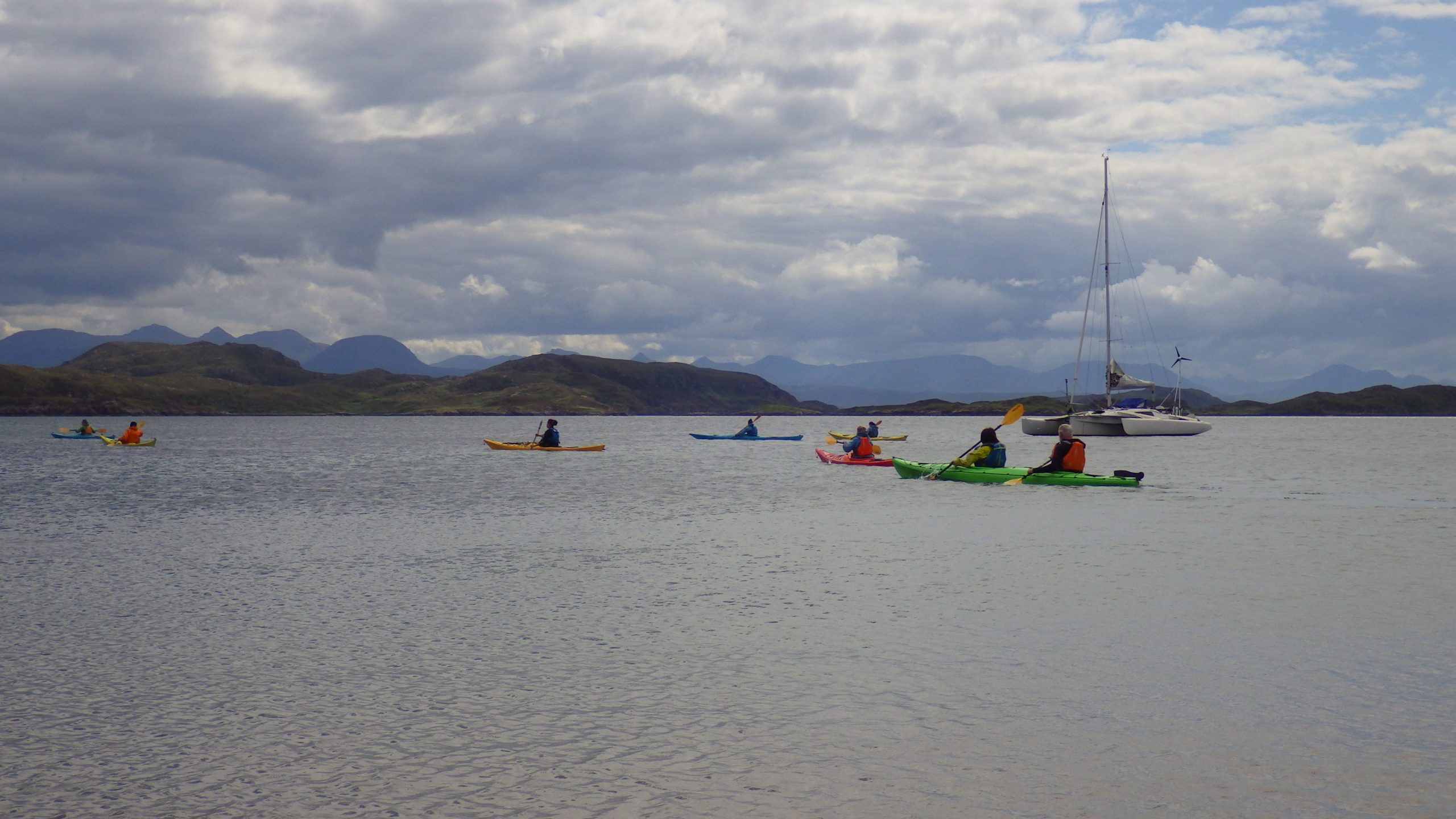
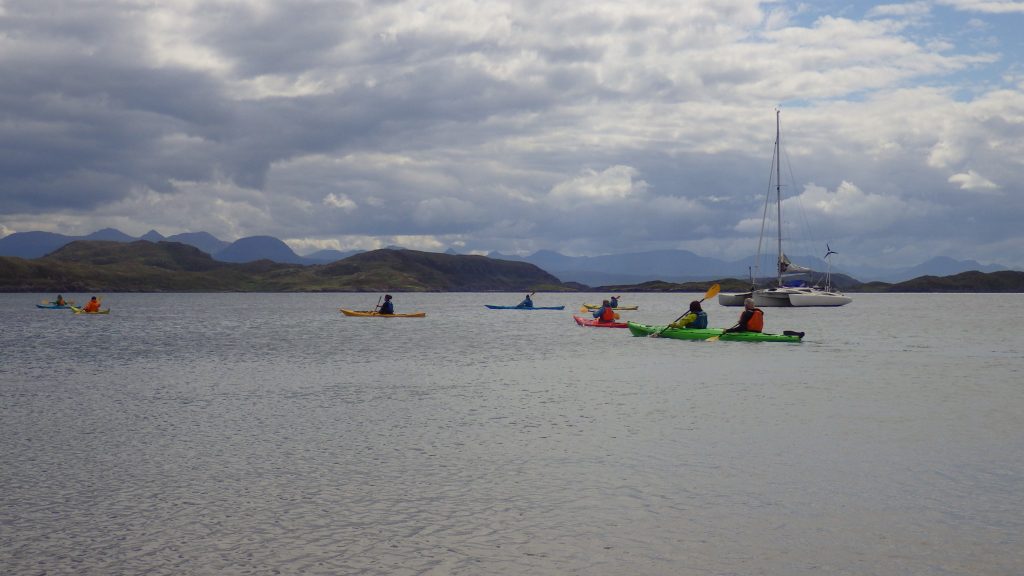
Isle Ristol is a popular stop for sea kayakers exploring the Summer Isles. Its sheltered landing points, diverse coastline, and manageable size make it an ideal destination for paddlers.
Before leaving, I spoke with a group of kayakers preparing to continue their journey through the islands—another reminder of how accessible and rewarding this area is for small craft adventures.
Why Visit Isle Ristol?
Isle Ristol is a small island with a big impact. Whether you arrive by boat, kayak, or on foot at low tide, it offers:
- Stunning white sandy beaches
- Rich machair habitats and rare plant species
- Panoramic views of the Hebrides and Wester Ross
- Open anchorage to SW but an excellent lunch stop to explore or overnight in settled conditions
- A peaceful, uncrowded island experience
Scotislands Neighbours:
Tanera Beg Isle Martin Horse Island Tanera Mor Fada Mor
Local Information: Accommodation Summer Isles Wiki
Image Gallery